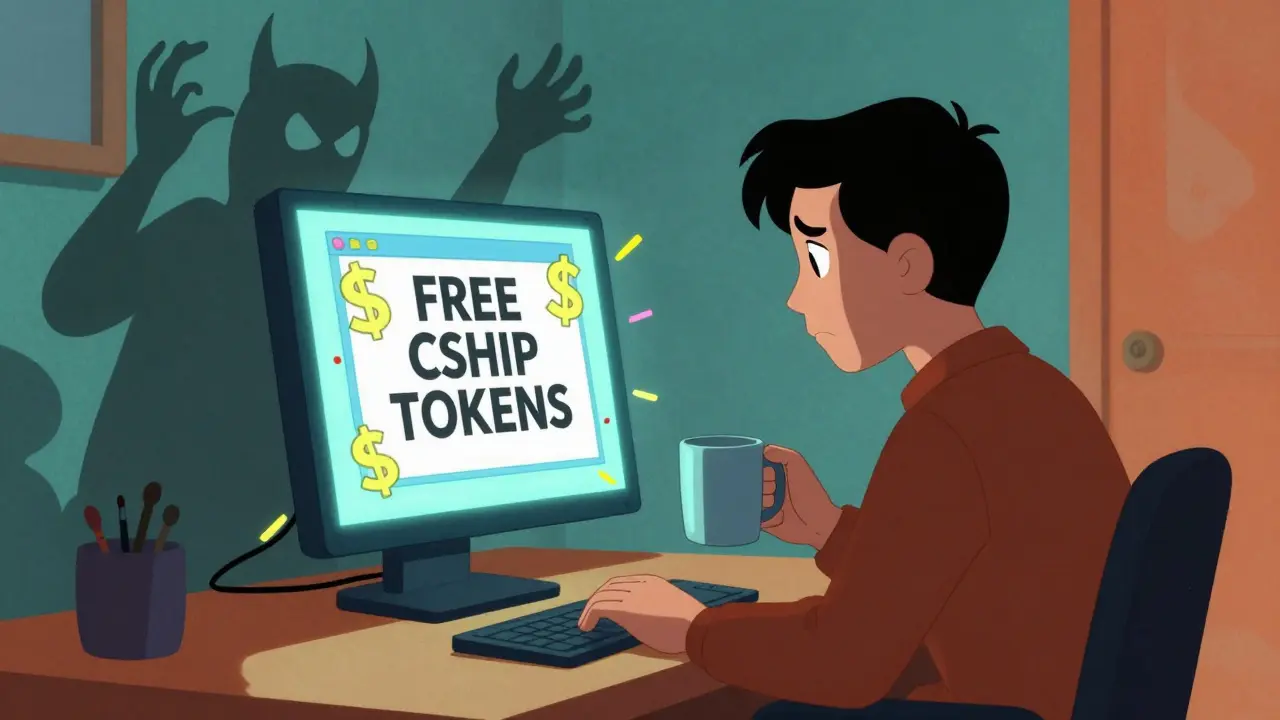
You’ve likely seen the buzz about the CryptoShips campaign. Promises of free tokens for simple tasks are everywhere right now. But here is the hard truth: as of mid-2026, there is no verified, official information confirming a legitimate CSHIP token airdrop from a reputable entity named CryptoShips. In fact, this specific name is frequently associated with phishing attempts and fake campaigns designed to steal your wallet credentials.
If you are looking to participate in the CryptoShips airdrop, you need to pause. The crypto space is flooded with copycats. Without a whitepaper, a known development team, or listings on major aggregators like CoinMarketCap or CoinGecko, any website claiming to distribute "CSHIP" tokens is highly suspicious. This guide breaks down why this project raises red flags, how to verify if an airdrop is real, and what safe alternatives exist for earning crypto rewards in logistics and supply chain sectors.
The Reality Check: Why CryptoShips Is Likely a Scam
Let’s be direct. If a project promises high returns for minimal effort without clear utility, it is usually a trap. The term "CryptoShips" has been used by several low-effort projects over the years, often pivoting between different blockchains to confuse users. Currently, there is no dominant, secure protocol operating under this exact name that has passed security audits by firms like CertiK or Hacken.
Scammers exploit the hype around real industry trends. They know people are interested in supply chain transparency. So, they create a site that looks professional, promise a massive airdrop, and ask you to connect your MetaMask or Phantom wallet. Once connected, they may drain your funds or trick you into signing a malicious transaction that grants them access to your assets.
- No Official Website: There is no single, authoritative domain recognized by the broader crypto community for "CryptoShips." Many domains with similar names are parked pages or phishing sites.
- Missing Token Contract: Legitimate tokens have public smart contract addresses on Etherscan, BscScan, or Solscan. You cannot find a verified CSHIP contract with liquidity pools or holder distribution data.
- Social Media Silence: Real projects have active, verified communities on X (formerly Twitter), Discord, and Telegram. Fake projects often have bots posting generic comments or links to shady URLs.
Always remember: if it sounds too good to be true, it almost certainly is. Never connect your primary wallet to an unverified site.
How to Verify Any Crypto Airdrop Before Participating
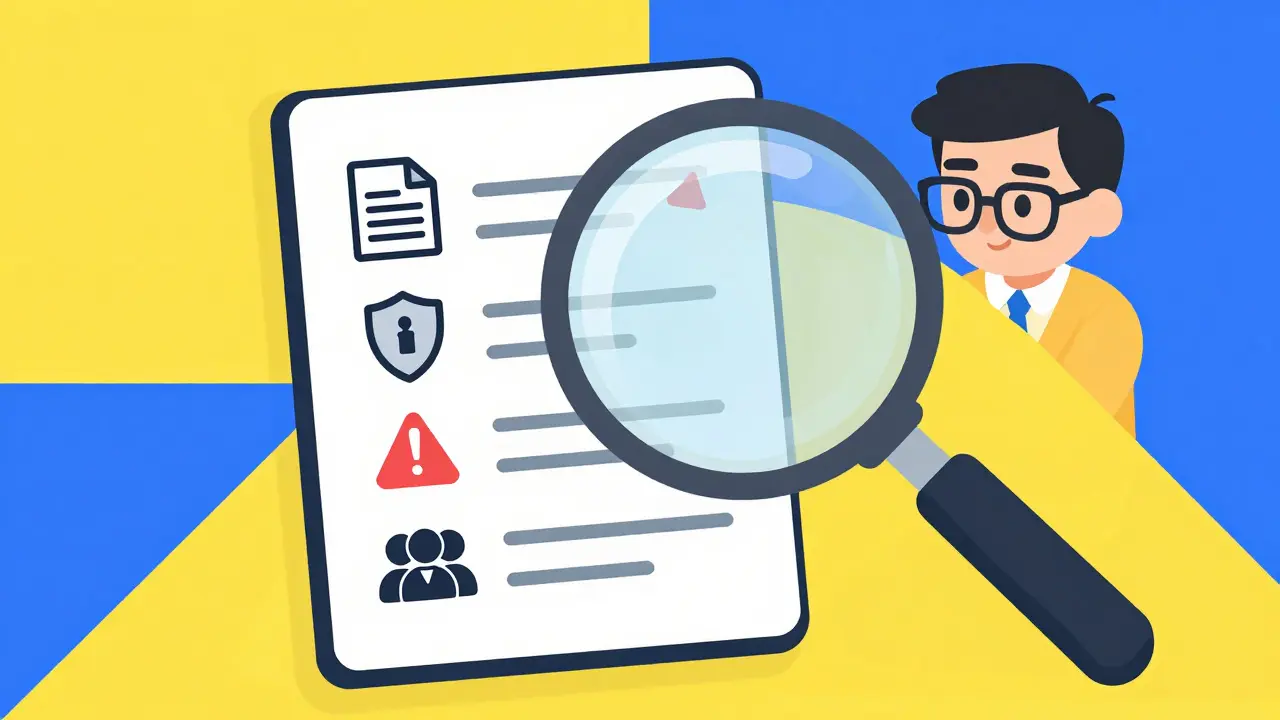
Before you risk your digital identity, you need a checklist. Whether it’s CryptoShips, Plume Network, or any other new project, these steps will save you from losing money. Use this process for every opportunity you encounter.
- Check the Whitepaper: Does the project explain *what* problem it solves? A real supply chain token should detail how it tracks goods, reduces fraud, or improves payment speeds. Vague language is a bad sign.
- Verify the Team: Are the founders public? Do they have LinkedIn profiles with verifiable work history? Anonymous teams can sometimes be legitimate (like early Bitcoin), but in modern airdrops, anonymity increases risk significantly.
- Look for Security Audits: Has the code been reviewed by third-party auditors? Look for reports from firms like OpenZeppelin, Trail of Bits, or Quantstamp. If there is no audit link, do not proceed.
- Search Community Sentiment: Go to Reddit or specialized crypto forums. Search for "[Project Name] scam" or "[Project Name] review." If the only positive reviews are from accounts created last week, walk away.
- Inspect the Smart Contract: If a contract address is provided, paste it into a scanner like Etherscan. Check if the contract is verified. Look at the holders. If one wallet holds 90% of the supply, it is a rug pull waiting to happen.
These steps take five minutes. Skipping them could cost you thousands.
Real Alternatives: Legitimate Supply Chain & Logistics Crypto Projects
If you are interested in the intersection of blockchain and logistics, there are established players. These projects have actual products, partnerships, and transparent tokenomics. While they may not offer "free money" airdrops overnight, they represent sustainable value.
| Project Name | Token Symbol | Primary Use Case | Blockchain Network | Verification Status |
|---|---|---|---|---|
| VeChain | VET | Enterprise supply chain tracking, luxury goods authentication | VeChain Thor | Listed on Binance, Coinbase; Partnerships with BMW, Walmart China |
| Ravencoin | RVN | Asset issuance, digital ownership, logistics tokenization | Ravencoin | Open-source, long-standing community, widely traded |
| Fetch.ai | FET | AI agents for logistics optimization, dynamic routing | Ethereum / Fetch.ai subnet | Part of the Artificial Superintelligence Alliance (ASI) |
| Plume Network | PLUME | Real-world asset (RWA) infrastructure, including logistics finance | Ethereum L2 | Recent mainnet launch, active developer ecosystem |
Projects like VeChain have been operational since 2018. They don’t rely on hype; they rely on enterprise adoption. If you want exposure to this sector, consider researching these established tokens instead of chasing unverified airdrops.
Understanding the Mechanics of Legitimate Airdrops
Not all airdrops are scams. Some are marketing tools used by serious protocols to distribute governance rights. However, they follow strict rules. A legitimate airdrop typically requires you to have interacted with the protocol previously-swapping tokens, providing liquidity, or bridging assets. It is rarely just "sign up and get paid."
For example, when Uniswap launched its UNI token, it rewarded past users. When Arbitrum launched ARB, it rewarded those who used the network. These were fair distributions based on usage data. Contrast this with the "CryptoShips" narrative, which often asks for nothing but your wallet connection. That asymmetry is dangerous.
Legitimate airdrops also clearly state:
- The snapshot date (when eligibility is determined).
- The claim period (how long you have to collect tokens).
- The vesting schedule (whether tokens unlock immediately or over time).
- The total supply and allocation percentage.
If a campaign lacks these details, it is not a structured financial event; it is a gamble.
Safety First: Protecting Your Wallet in 2026
In today’s landscape, your wallet is your bank account. Treating it casually invites disaster. Here is how to stay safe while exploring new opportunities.
Use a Burner Wallet: Never connect your main holding wallet to new or unverified sites. Create a separate MetaMask or Phantom wallet with a small amount of funds. Use this "burner" wallet for testing dApps and claiming potential airdrops. If it gets compromised, your main savings remain untouched.
Revoke Permissions Regularly: Every time you connect to a site, you grant it permission to interact with your tokens. Over time, these permissions add up. Use tools like Revoke.cash or EtherScan’s token approval checker to see what apps have access to your wallet. Revoke anything you don’t recognize or no longer use.
Enable Hardware Signatures: For significant holdings, use a hardware wallet like Ledger or Trezor. Even if you connect to a phishing site, the private key never leaves the device. You must physically approve transactions. This adds a critical layer of defense against remote exploits.
Beware of Social Engineering: Scammers often impersonate support staff on Discord or Telegram. They will DM you, claim there is an issue with your airdrop, and send a link to a fake verification page. Real support teams will never DM you first. Always check the URL carefully before clicking.
What to Do If You Already Connected to a Suspicious Site
Panic helps no one. If you suspect you’ve connected your wallet to a fake CryptoShips site, act quickly.
- Disconnect Immediately: Go to your wallet settings and disconnect the site.
- Transfer Funds: Move any remaining assets to a new, clean wallet. Do not leave anything behind.
- Revoke Approvals: Use Revoke.cash to remove any token allowances granted to the suspicious contract.
- Change Passwords: If you entered any seed phrases or passwords on the site, change them everywhere. Assume they are compromised.
- Monitor Activity: Watch your transaction history closely for the next few days. Report unauthorized transactions to the platform where the funds were stolen (though recovery is rare, it creates a paper trail).
Learning from mistakes is part of the journey. The goal is to minimize damage and prevent recurrence.
The Future of Logistics in Web3
The idea behind tokenizing shipping and logistics is sound. Blockchain can provide immutable records of cargo movement, automate payments via smart contracts upon delivery confirmation, and reduce paperwork. This is where the real innovation lies-not in free token giveaways.
As we move through 2026, expect to see more integration between traditional logistics giants and blockchain startups. Companies like Maersk and DHL have already experimented with distributed ledger technology. The winners will be those who solve real inefficiencies, not those who market themselves as easy money schemes.
Keep an eye on developments in Real World Assets (RWAs). This sector is growing rapidly. Tokens representing physical goods, invoices, or shipping containers are becoming tradable on-chain. This is the legitimate evolution of the industry. Stay informed, stay skeptical, and prioritize security above all else.
Is the CryptoShips (CSHIP) airdrop legitimate?
As of mid-2026, there is no credible evidence that a legitimate "CryptoShips" project exists with an official CSHIP token airdrop. Most references to this name are associated with phishing scams or fake campaigns. Always verify projects through trusted sources like CoinMarketCap or official exchange listings before participating.
How can I tell if a crypto airdrop is a scam?
Red flags include anonymous teams, lack of security audits, requests for your seed phrase, and promises of high returns for minimal effort. Legitimate airdrops require prior interaction with the protocol and have transparent tokenomics. If a site asks you to connect your wallet without clear utility, it is likely a scam.
What are some safe alternatives to CryptoShips in the logistics sector?
Established projects like VeChain (VET), Ravencoin (RVN), and Fetch.ai (FET) operate in the supply chain and logistics space. These projects have verified teams, security audits, and real-world partnerships. Research their whitepapers and current market performance for safer exposure to this sector.
Should I connect my main wallet to claim an airdrop?
Never connect your main wallet containing significant funds to unverified sites. Use a separate "burner" wallet with minimal funds for interacting with new dApps or claiming potential airdrops. This isolates your main assets from potential security breaches.
What should I do if I accidentally connected to a phishing site?
Immediately disconnect the site, transfer all remaining funds to a new wallet, and revoke any token approvals using tools like Revoke.cash. Change your passwords if you entered any sensitive information. Monitor your accounts for unauthorized activity and report the incident to relevant platforms.
9 Comments
Look, I’ve been in this game since the ICO days of 2017, and let me tell you something straight. This post is spot on about CryptoShips being a total scam. It’s not just 'suspicious,' it’s predatory.
I see newbies falling for these 'free money' traps every single day. They connect their wallets because they think they’re smarter than the system, but the system was built to eat them alive. You don’t need a whitepaper to know that if there’s no audit, there’s no trust. Period.
The part about using a burner wallet is critical. Most people treat their MetaMask like it’s a browser cookie. It’s your bank account. If you wouldn’t walk into a sketchy alley at night with your wallet out, why would you plug it into an unverified dApp?
We need to stop enabling this behavior by engaging with fake projects. Just ignore them. Report them. Move on. The real opportunities are in established protocols like VeChain or Fetch.ai, as mentioned here. Those have actual utility. They have partnerships. They have audits.
Don’t be the guy who loses his life savings chasing a ghost token named after a shipping company. It’s embarrassing when it happens, and it’s preventable. Stay sharp, stay skeptical, and for the love of god, use hardware security.
Finally, someone said it. Most of you are just too lazy to do five minutes of due diligence.
If you can’t verify a contract address on Etherscan, you shouldn’t be holding crypto. It’s that simple. The barrier to entry isn’t technical; it’s intellectual.
CryptoShips is garbage. Always has been. Anyone claiming otherwise is either paid shill or utterly naive. Stick to the blue chips or go home.
Oh, please. Don’t lecture me about 'due diligence.' Do you really think CoinMarketCap is neutral? Of course not. They are part of the establishment. They list what the big banks want listed.
You say CryptoShips is a scam because it’s not verified by OpenZeppelin? Who owns OpenZeppelin? Follow the money. The entire narrative around 'legitimate' projects like VeChain is manufactured by corporate interests to keep retail investors in check.
I’ve seen documents-leaked internal memos from major exchanges-that suggest they actively suppress small-cap logistics tokens that threaten their monopoly. CryptoShips might be risky, yes, but it’s also one of the few projects trying to decentralize supply chain data away from Maersk and DHL.
They call it phishing because it challenges the status quo. They call it a scam because they can’t control the distribution. Wake up. The 'safe' alternatives listed here are just slower ways to lose purchasing power through inflation and centralization.
I’m not saying connect your main wallet. But I am saying that dismissing every non-listed project as a 'scam' is exactly what the controllers want you to believe. Keep your eyes open. The truth is rarely found on Binance.
i mean... its kinda sad how everyone jumps on the bandwagon without thinking. the whole concept of 'trust' in crypto is ironic isnt it? we trust code but the code is written by humans who lie.
cryptoShips feels like a metaphor for our current state. empty vessels making loud noises. i tried to look up the team and found nothing but bots. typical.
but hey, maybe thats the point. maybe the scam is believing there is a legitimate path forward at all. vechain is just another chain for elites to track their luxury bags while the rest of us struggle. its all theater.
i prefer to sit back and watch the chaos unfold. lets see who gets rekt first. probably the ones writing long comments like this one. lol.
Hey Grace, I get where you’re coming from with the skepticism about big corps, but there’s a difference between healthy skepticism and ignoring basic security red flags.
When a site asks for your seed phrase or has no audit, that’s not 'challenging the status quo,' that’s theft. I’ve helped friends recover from similar situations, and it’s heartbreaking. They lost thousands because they wanted to believe the underdog story.
VeChain isn’t perfect, but it’s transparent. You can see the transactions. You can see the partners. That transparency allows for community oversight, which is what crypto is supposed to be about.
Let’s not confuse conspiracy theories with financial safety. We can critique the big players without throwing ourselves to the wolves. Use a burner wallet, sure, but don’t pretend that connecting to a known phishing site is an act of rebellion. It’s just a mistake. Let’s support each other in staying safe, not in gambling with our livelihoods.
great points everyone. i think the key takeaway here is education. so many people dont even know what a smart contract is.
i started learning about revoke.cash only last month and wow, i had like 50 approvals active from sites i forgot about. scary stuff.
if anyone wants help setting up a burner wallet, feel free to dm me. happy to help out. we gotta look out for each other in this space. its easy to get overwhelmed but taking it slow saves you money.
also, plume network looks interesting for RWAs. has anyone looked into that yet? seems legit based on the devs activity.
you guys are missing the bigger picture entirely. this isn't just about one scam token. it's about the entire regulatory capture happening in 2026.
the SEC and EU regulators are pushing for KYC on everything. they want to kill privacy. projects like cryptoShips might be scams yes but they also operate in the gray areas that regulators hate.
vechain? please. it's a walled garden. bmw doesn't care about decentralization. they care about tracking inventory cheaper. that's it.
we need more chaotic actors to break the stagnation. if you're not willing to take risks you're not participating in crypto. you're just investing in stocks with extra steps.
stop whining about scams and start building better defense mechanisms. learn solidity. audit contracts yourself. rely on others and you'll always be vulnerable. the market is brutal and weak hands get eaten. deal with it.
Haha, nice try Kenneth, but calling it 'regulatory capture' doesn't make a rug pull any less painful.
I'm from India, and we've seen our share of 'chaotic actors' turn out to be outright criminals. When my cousin lost his tuition money to a fake NFT project last year, he didn't feel like a revolutionary. He felt stupid.
There's a fine line between risk-taking and negligence. Ignoring audits isn't bravery; it's ignorance.
Stick to the basics. Learn to read the docs. If you can't understand the tech, don't touch the token. Simple as that. No need for drama.
I feel so drained reading all this negativity. Why is everyone so angry?
Crypto should be fun. It should be exciting. But now it's just fear and paranoia.
I just want to earn some tokens. Is that too much to ask?
Maybe the problem is us. Maybe we bring the bad energy.
I hope everyone finds peace. Even if it means losing money. At least then it's over.