
Setting up a crypto mining operation in Kazakhstan used to mean finding cheap electricity and plugging in rigs. That era is over. Today, the country has built one of the most structured regulatory frameworks in the world for digital asset mining. If you are looking to mine Bitcoin or other cryptocurrencies here, you cannot just operate as an individual hobbyist without oversight. You need a license, you need to join a specific pool, and you need to sell a significant portion of your earnings on local exchanges.
The rules have tightened significantly since 2024. What started as a notification-based system has evolved into a rigorous licensing regime managed exclusively through the Astana International Financial Center (AIFC). For international investors or serious operators, this means higher barriers to entry but also greater legal protection and clarity. This guide breaks down exactly what you need to do to get licensed, the costs involved, and the operational constraints you must accept.
Who Can Apply? The Legal Entity Requirement
The first hurdle is jurisdictional. You cannot apply for a mining license as a foreign individual from abroad. To operate legally, you must establish a presence within Kazakhstan’s legal framework. Specifically, you need to register as either a legal entity or an individual entrepreneur registered in Kazakhstan.
This requirement ensures that the state has clear authority over the operator. It means you will likely need local legal counsel to handle the incorporation process. Once you have your Kazakhstani legal status, you can begin the actual licensing journey. There is no way around this; operating under a foreign shell company without local registration is not permitted under the current Order No. 384 framework.
The Exclusive Role of the Astana International Financial Center (AIFC)
In Kazakhstan, the Astana International Financial Center (AIFC) is the sole jurisdiction authorized to issue cryptocurrency licenses. This is a critical distinction. Unlike some countries where multiple government bodies might oversee different aspects of finance, Kazakhstan has centralized crypto regulation within the AIFC.
The AIFC operates under English common law principles, which makes it more familiar to international investors than traditional civil law systems. However, it remains firmly under the sovereign control of the Republic of Kazakhstan. All applications for mining licenses, exchange operations, and wallet services must go through this center. This centralization simplifies the point of contact but concentrates the regulatory power, meaning compliance with AIFC standards is non-negotiable.
Mandatory Use of Digital Mining Pools (DMPs)
One of the most unique aspects of Kazakhstan’s regulatory model is the prohibition on independent mining. You cannot simply connect your ASIC miners to a public pool like F2Pool or ViaBTC and start hashing. Instead, the law requires all miners to operate through licensed Digital Mining Pools (DMPs).
As of recent updates, only five mining pools have been accredited by the state. These DMPs act as intermediaries between the miner and the blockchain network. They handle the technical aggregation of hash power and ensure that transactions comply with national regulations. This setup gives the government visibility into mining activities and helps prevent illicit use of the grid. When planning your infrastructure, you must choose one of these approved pools and integrate your hardware accordingly. This restriction limits your flexibility but provides a clear path to legality.
The Three-Phase Licensing Process
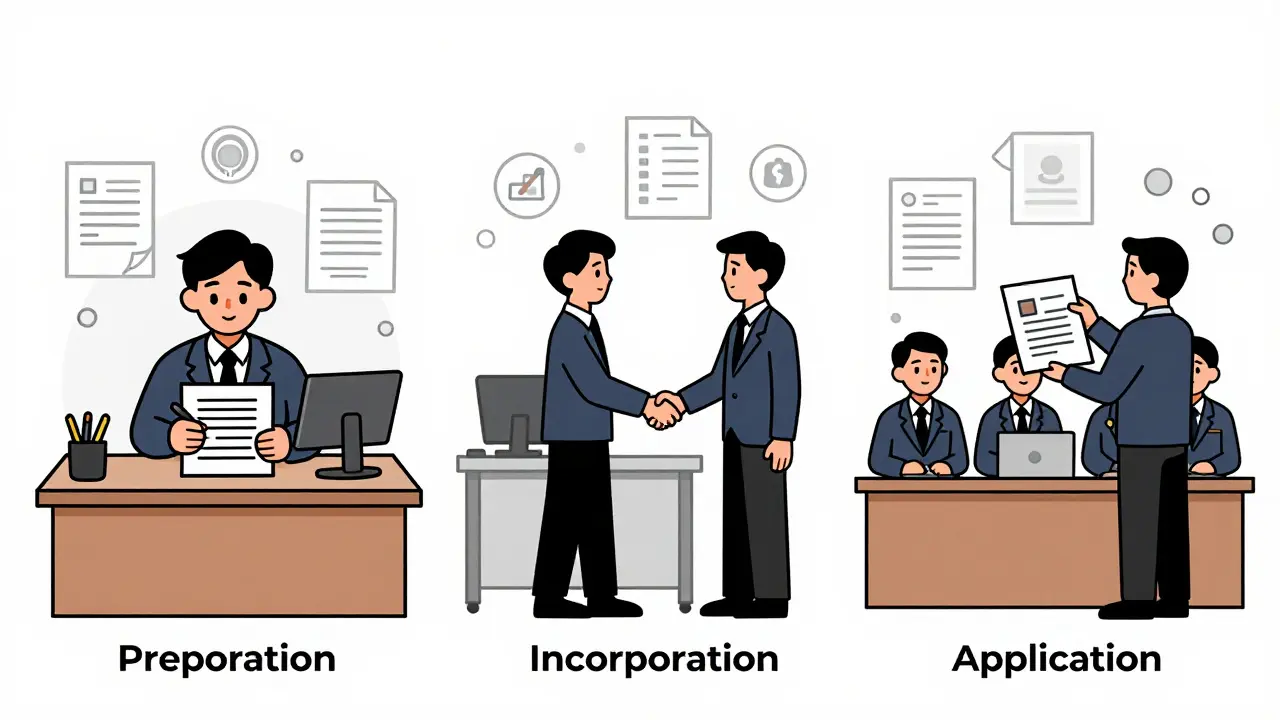
Obtaining a license is not a quick form-filling exercise. The AIFC structures the process into three distinct phases, typically taking between six and nine months to complete. Rushing this process often leads to rejection due to incomplete documentation or insufficient operational readiness.
- Preparation Phase: This is the groundwork stage. You need to draft a comprehensive business plan, including detailed financial projections backed by evidence. You must also develop robust Anti-Money Laundering and Counter-Terrorist Financing (AML-CFT) policies. This isn’t just paperwork; you need to implement KYC (Know Your Customer) software and define client onboarding rules with risk assessment protocols. Additionally, you must determine the composition of your senior management and administration board.
- Incorporation Phase: Here, you establish your company specifically within the AIFC jurisdiction. This involves renting physical office space within the AIFC premises in Astana. You are required to hire at least two local employees who will serve as your AML officer and compliance officer. These roles cannot be outsourced remotely; they must be residents. You also need to deposit share capital into a corporate account located in Kazakhstan and appoint a management board with a minimum of four distinct roles.
- Application Phase: In the final stage, you demonstrate operational readiness. The regulators will review your AML-CFT systems, your client onboarding procedures, and the competence of your management board. You may need to provide platform demonstrations or prototypes to prove you understand the operational flow. The focus here is on proving that you can run a compliant business, not just that you have the money to buy equipment.
Financial Obligations: Taxes and Asset Sales
The financial structure of mining in Kazakhstan is designed to capture value for the local economy. Two key metrics define your fiscal responsibility: the tax rate and the mandatory asset sale requirement.
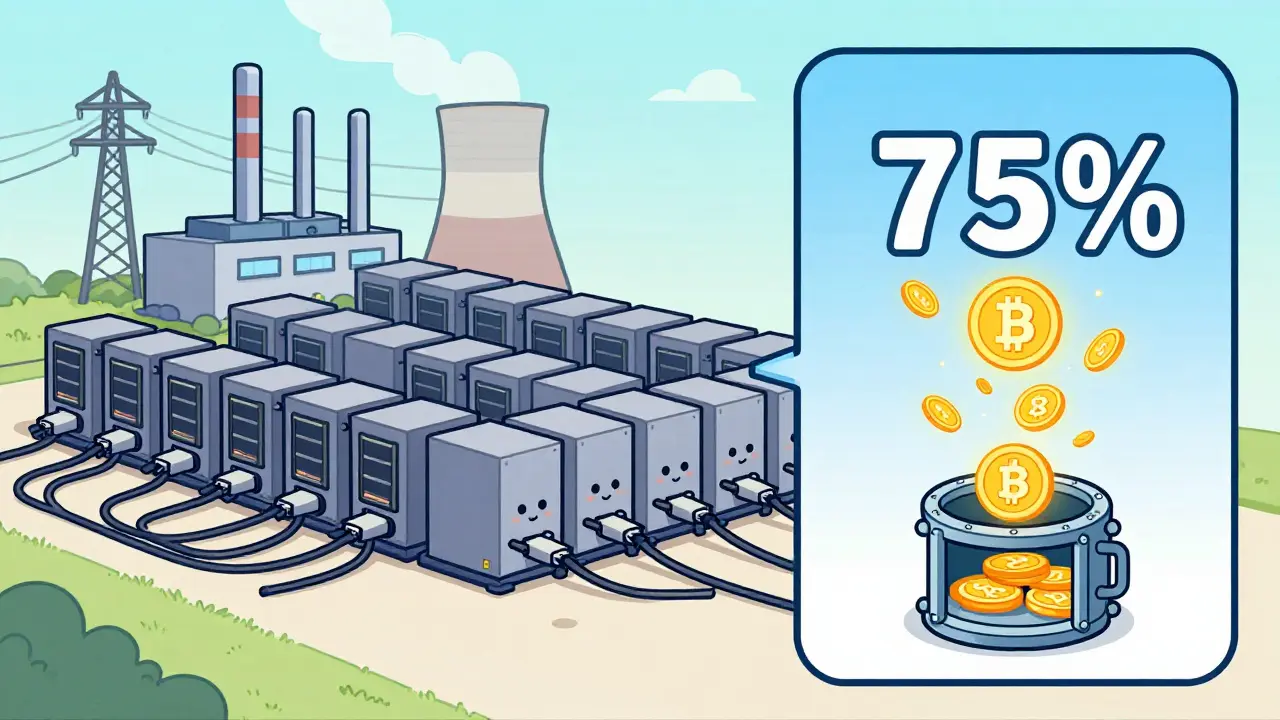
First, the corporate income tax rate for mining operations is set at 15%. This is competitive compared to many Western jurisdictions but comes with strict reporting requirements. Second, and more impactful, is the rule regarding mined assets. As of 2025, crypto miners are required to sell 75% of their mined assets on AIFC-regulated platforms. This is a significant increase from the 50% requirement that was in effect during 2024.
| Requirement | Detail | Impact |
|---|---|---|
| Tax Rate | 15% Corporate Income Tax | Moderate cost of doing business |
| Asset Sale Mandate | 75% of mined crypto must be sold on AIFC exchanges | High liquidity requirement; forces reliance on local markets |
| Licensing Timeline | 6-9 months | Long lead time for project planning |
| Local Staffing | Minimum 2 local hires (AML & Compliance Officers) | Increases operational overhead |
This 75% rule is crucial for your cash flow strategy. It means you cannot hold the majority of your mined Bitcoin as a long-term investment if you want to remain compliant. You must convert three-quarters of your output into fiat currency via domestic exchanges. This generates revenue for the AIFC ecosystem and allows the state to monitor capital flows. The remaining 25% can be held or traded elsewhere, giving you some flexibility for treasury management.
Infrastructure and Energy Considerations
Kazakhstan’s appeal for miners has historically been its energy capacity. The government views crypto miners as partners in economic modernization, particularly in balancing power supplies. There have been discussions about a "70/30" energy program, where foreign investors would fund thermal power upgrades. Under this model, 70% of the generated capacity would go to the national grid, while 30% would be reserved for crypto miners.
However, securing this energy is part of the qualification process. You must demonstrate ownership or legal rights to a digital mining data processing center. This means you cannot just rent a warehouse and plug in machines; you need formalized facility management agreements. The state wants to ensure that mining operations do not strain the residential grid or cause blackouts, which were issues in earlier years of unregulated growth.
Additionally, the notification-based nature of starting mining activities means you must report to the ICRIAP (Information Committee for the Regulation and Improvement of Activities in the Sphere of Preventing Money Laundering). While you don’t need a separate permit to flip the switch, you must maintain ongoing transparency about your energy consumption and hash rate.
Challenges for International Operators
If you are based outside Kazakhstan, the logistical hurdles are real. The requirement to rent office space in Astana and hire local compliance staff adds significant fixed costs. Smaller operations may find the governance complexity of managing a four-role board too burdensome.
Furthermore, the mandatory use of approved DMPs limits your technical choices. If your preferred pooling strategy relies on dynamic fee structures or specific coin support not offered by the five accredited pools, you may face operational friction. The 6-9 month timeline also means you need substantial runway capital to cover legal fees, salaries, and office rents before you see any revenue from mining.
Despite these challenges, the framework offers stability. With 84 licenses issued and over $1.4 billion in revenue flowing through AIFC exchanges in 2024, the ecosystem is mature. For large-scale industrial miners, the clarity of the rules outweighs the bureaucratic load.
Future Outlook: Tightening Control
The trend in Kazakhstan is toward greater state involvement, not less. The increase in the asset sale mandate from 50% to 75% signals a desire to capture more foreign currency inflows. The government is also exploring a state-run crypto reserve strategy, using mining revenues to build national reserves.
Expect further refinements in AML-CFT enforcement. Regulatory experts suggest that decriminalization of crypto trading for users of licensed platforms may follow, but for miners, the scrutiny will likely intensify. If you are entering this market now, assume that compliance costs will rise and that the window for easy entry is closing. The golden age of wild-west mining in Kazakhstan is definitively behind us.
How long does it take to get a crypto mining license in Kazakhstan?
The licensing process through the AIFC typically takes between 6 and 9 months. This includes preparation, incorporation, and application phases. Delays can occur if documentation is incomplete or if the management board lacks sufficient experience.
Can I mine independently without joining a pool?
No. Kazakhstan law prohibits independent mining. All miners must operate through one of the five state-accredited Digital Mining Pools (DMPs). This is a mandatory requirement for obtaining and maintaining a license.
What percentage of my mined crypto must I sell locally?
As of 2025, you are required to sell 75% of your mined assets on AIFC-regulated platforms. This increased from 50% in previous years. The remaining 25% can be held or traded internationally.
Do I need to hire local staff?
Yes. You must hire at least two local employees to serve as your AML officer and compliance officer. Additionally, you need to rent office space within the AIFC premises in Astana.
Is crypto mining legal for individuals in Kazakhstan?
Individuals can participate only by registering as individual entrepreneurs or forming a legal entity. Casual, unregistered home mining is not permitted under the current regulatory framework. All operations must be licensed and conducted through approved pools.
6 Comments
the government is just trying to control everything and steal your money. they say it is for safety but really they want to watch what you do with your crypto. it is a trap for honest people who just want to make a living without asking permission from bureaucrats in astana.
i think this guide is pretty solid actually. the part about needing local staff makes sense if you want to avoid legal trouble later on. i know someone who tried to skip the aml officer hire and got shut down fast so dont try to cut corners here its not worth the risk
you are all missing the point of why this exists. look at the energy grid data from 2023 when half the country had blackouts because miners were sucking up power like vampires. the state had to step in or the economy would have collapsed under the weight of unregulated hash rates. its not about control its about survival of the national infrastructure which you seem too ignorant to understand given your simplistic views on how power grids actually function during peak load times in winter months.
this is absolute madness and i am screaming into the void about it. forcing people to sell 75% of their assets on local exchanges is basically confiscation disguised as regulation. who gives them the right to dictate where my digital property goes? it is an outrage that we let these technocrats run our lives with such heavy handed rules that crush individual freedom and innovation in the name of some made up stability that never existed before anyway.
hey guys just a thought but maybe if you follow the rules you wont get banned lol. seriously though the timeline is long so start early if you are serious about mining there. dont wait until the last minute because the paperwork will eat you alive and then you will be crying about lost profits while your competitors are already hashing away legally.
why do we always fight over rules instead of embracing the chaos that makes life interesting. the soul of mining was in the wild west days when anyone could plug in and dream big. now it is just corporate suits and compliance officers drinking coffee in astana while the real spirit dies slowly. i feel sad for everyone involved because we have traded freedom for security which is always a bad deal in the end.