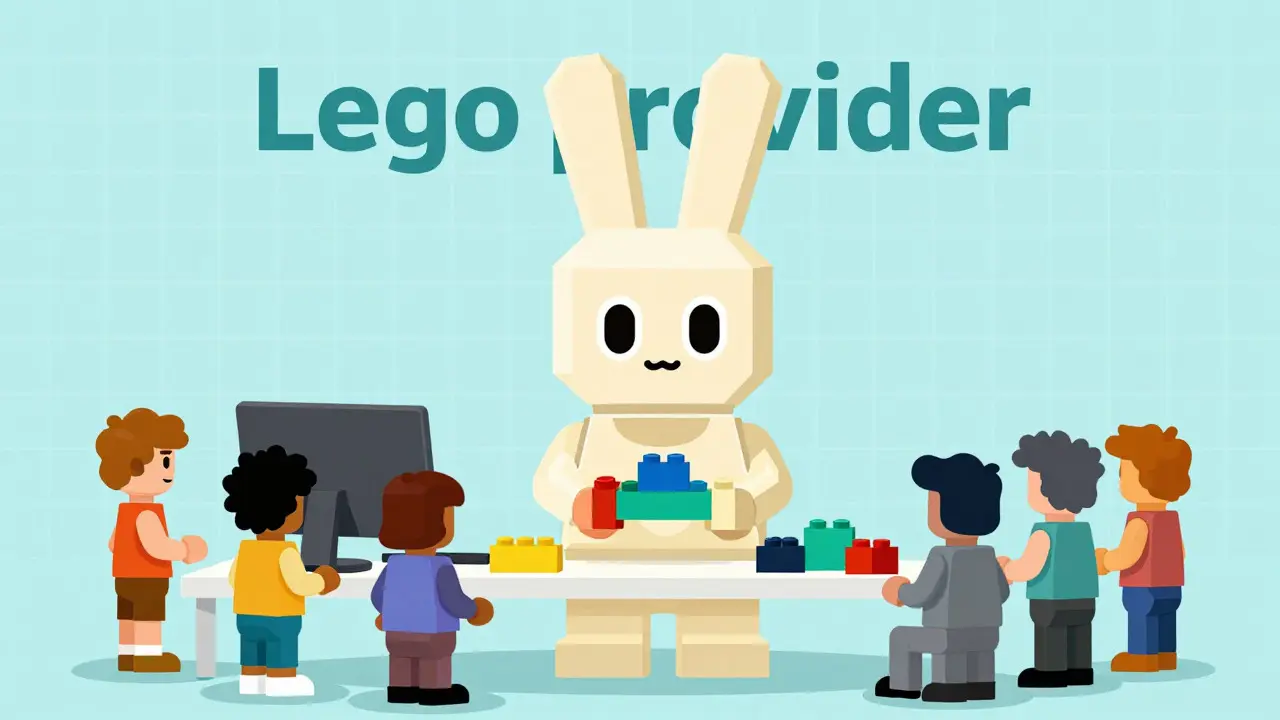
Chasing the next big crypto windfall often feels like a game of chance, but understanding the mechanics behind BunnyPark (BP) can turn that gamble into a calculated move. As a DeFi and NFT infrastructure project on the Binance Smart Chain, BunnyPark isn't just another meme coin; it’s positioning itself as the "Lego provider" for the NFT sector. If you are looking to secure your spot in potential future distributions or understand how this ecosystem rewards its community, you need to look beyond simple social media hype. This guide breaks down what we know about the BP token, the project's unique SaaS model, and how similar gaming tokens have handled their airdrops to give you a realistic picture of what to expect.
What is BunnyPark and Why Does It Matter?
To understand the airdrop potential, you first need to grasp what BunnyPark actually does. It is a DeFi + NFT project deployed on the Binance Smart Chain (BSC) that focuses on NFT SaaSization and product standardization. Think of it as an infrastructure layer. Instead of just selling cute bunny NFTs, BunnyPark provides standard smart contracts that allow other developers and artists to quickly build their own NFT platforms. They call themselves the "Lego provider," meaning they supply the bricks so others can build the castles.
This distinction is crucial. Most airdrops target end-users who play games or hold bags. BunnyPark’s model suggests a different approach. Their ecosystem includes an independent "SaaS" incubation fund that accepts applications from development teams. This means the value proposition leans heavily toward utility and developer adoption rather than pure speculation. For anyone eyeing an airdrop, this signals that eligibility might be tied to professional contribution or deep engagement with partner projects, not just clicking buttons on a Telegram bot.
Current BP Token Metrics and Market Position
The BP token is already live and trading, which changes the dynamic significantly compared to pre-launch airdrops. As of mid-2026, the market data paints a specific picture of the project's health. The token has a total supply of 136.12 million BP, with a circulating supply of approximately 78.2 million. The market capitalization sits around $121.51K, while the fully diluted valuation (FDV) is $211.51K. These numbers indicate a micro-cap asset with high volatility but also significant room for growth if adoption spikes.
One standout metric is the holder count. With over 72,260 holders, the distribution is relatively broad. In crypto, a high holder-to-market-cap ratio usually suggests strong community ownership rather than concentration among a few whales. The 24-hour trading volume hovers around $147,781, giving a volume-to-market cap ratio of 14.49%. This level of activity shows that despite the small size, there is genuine interest and liquidity. If you are considering entering the space, these metrics suggest a liquid enough environment for small positions, though slippage can still be a factor during volatile moves.
How Gaming and NFT Airdrops Typically Work
Since specific details on a *new* BunnyPark airdrop are scarce, we can look at comparable models in the sector to predict how they might operate. A prime example is the Rocky Rabbit ($RBTC) airdrop in late 2024. That project used a tap-to-earn Telegram model, rewarding users based on daily tasks, battle victories, and referral bonuses. The key takeaway? Sustained engagement was mandatory. You couldn't just sign up once; you had to maintain activity over several months to maximize your points.
For BunnyPark, the approach might differ due to its B2B (business-to-business) infrastructure focus. While end-user engagement matters, the project's emphasis on supporting GameFi and NFT developers suggests that airdrop criteria could include:
- Ecosystem Contribution: Participating in incubated projects or using BunnyPark’s smart contract standards.
- Developer Activity: Deploying dApps or NFT collections using BunnyPark’s SaaS tools.
- Long-term Holding: Staking BP or holding associated NFTs through specific epochs.
- Referral Depth: Bringing in new developers or artists to the platform, similar to how Rocky Rabbit rewarded premium referrals with up to 10X rewards.
This shift from "play-to-earn" to "build-to-earn" is a notable trend in 2026. Projects are moving away from rewarding passive attention and starting to reward active creation and integration.

Comparative Analysis: BP vs. Typical Gaming Tokens
To help you decide where to allocate your time and resources, let's compare the BP ecosystem with typical gaming token airdrops. The table below highlights the key differences in structure and likely airdrop strategies.
| Feature | BunnyPark (BP) | Typical Gaming Token (e.g., Rocky Rabbit) |
|---|---|---|
| Primary Focus | NFT Infrastructure / SaaS | Tap-to-Earn / Play-to-Earn |
| Target Audience | Developers, Artists, DeFi Users | Casual Gamers, Mobile Users |
| Airdrop Criteria (Likely) | Integration, Development, Long-term Holding | Daily Tasks, Referrals, Social Media |
| Token Status (2026) | Live & Trading (Micro-cap) | Varies (Often Pre-TGE or Post-Launch) |
| Risk Profile | High (Infrastructure Adoption Risk) | Very High (User Retention Risk) |
Strategic Steps to Maximize Your Chances
If you believe in the long-term vision of BunnyPark, here is a practical checklist to position yourself well for any future distribution events. Remember, consistency beats intensity in crypto farming.
- Verify Your Wallet: Ensure your BSC-compatible wallet (like MetaMask or Trust Wallet) is active and has some BNB for gas fees. Many airdrops require a minimum interaction history.
- Engage with the Ecosystem: Don't just hold BP. Look for the incubation fund announcements. If you are a developer, consider applying or partnering with teams using BunnyPark contracts. Even for non-developers, interacting with partner dApps counts as ecosystem usage.
- Maintain Holder Status: Given the 72,000+ holder base, maintaining a consistent balance might be a baseline requirement. Avoid frequent small transfers that could flag your wallet as a sybil (fake user).
- Monitor Official Channels: Keep an eye on the official BunnyPark website and verified social media accounts. Rumors often spread on Twitter/X, but only official announcements carry weight. Watch for keywords like "Genesis Mining" or "Phase 2 Launch."
- Track Similar Projects: Follow how other BSC-based infrastructure projects handle their TGEs (Token Generation Events). Patterns often repeat across similar blockchain ecosystems.
Risks and Realistic Expectations
Let’s be honest: micro-cap tokens like BP come with significant risk. The price prediction models for related assets in the ecosystem show modest growth scenarios, with some forecasts suggesting only single-digit percentage increases in the near term. This isn't a "100x overnight" situation. The value here lies in the utility of the platform. If BunnyPark successfully becomes the go-to infrastructure for NFT developers on BSC, the BP token will gain intrinsic value. If it fails to attract developers, the token may struggle regardless of airdrop incentives.
Also, be wary of scams. Since specific airdrop details are not yet fully public, many fake sites will pop up claiming to offer "free BP." Always verify URLs and never share your seed phrase. Legitimate airdrops rarely ask for large upfront deposits or complex multi-step KYC processes for small allocations.
Frequently Asked Questions
Is the BunnyPark (BP) airdrop confirmed for 2026?
As of August 2026, no specific date for a new major airdrop has been officially announced. However, the project mentions that more functions will be released after "Genesis Mining," which suggests phased developments that could include token distributions. Investors should monitor official channels for concrete dates.
Who is eligible for the BunnyPark airdrop?
Eligibility likely favors those who engage deeply with the ecosystem. This includes NFT developers using BunnyPark’s SaaS contracts, artists participating in the incubation fund, and long-term holders of the BP token. Unlike simple tap-to-earn games, this project values utility and contribution over passive social media engagement.
What is the current market cap of the BP token?
The market capitalization of BunnyPark (BP) is approximately $121.51K, with a fully diluted valuation of $211.51K. The token trades on both centralized and decentralized exchanges on the Binance Smart Chain network.
How does BunnyPark differ from other NFT projects?
BunnyPark acts as an infrastructure provider, often described as the "Lego provider" for the NFT sector. Instead of just selling collectibles, it offers standardized smart contracts and a SaaS model that allows other developers to build their own NFT platforms quickly. This B2B focus distinguishes it from consumer-facing NFT brands.
Where can I buy BP tokens?
BP tokens are available on various decentralized exchanges (DEXs) on the Binance Smart Chain, such as PancakeSwap, as well as some centralized exchanges. Due to its micro-cap status, liquidity can vary, so it is advisable to check current order books before executing large trades.
9 Comments
Another 'infrastructure' scam waiting to happen. They call it SaaS but it's just a bag for early adopters.
Honestly, I think you're being a bit too harsh here.
The whole 'Lego provider' thing is actually kinda brilliant if you think about it. It’s not about the bunny, it’s about the bricks. We’re seeing a massive shift in 2026 where pure P2E games are dying out because retention is trash, but infrastructure layers that let devs build faster? That’s where the real value accrues.
I mean, look at how many NFT projects failed last year just because they couldn't handle the backend logic without breaking their contracts every time they wanted to add a new feature. If BP actually standardizes those smart contracts, it saves devs months of headaches.
And don't sleep on the holder count. 72k holders on a micro-cap isn't nothing. It means the supply isn't sitting in one or two whale wallets ready to dump on us. It’s distributed. That changes the game entirely.
Yeah, it’s risky, sure. But isn’t crypto supposed to be risky? The upside potential if this becomes the go-to dev tool on BSC is huge. I’m keeping my eyes on their incubation fund announcements. That’s where the alpha is hiding right now, not in some tap-to-earn Telegram bot.
You are mistaking noise for signal. Most retail investors lack the cognitive bandwidth to understand the difference between a utility token and a meme coin derivative. The market cap is negligible because the product is unproven. Do not confuse your hope for a 100x with fundamental analysis. The SaaS model is a buzzword used by incompetent founders to justify high valuations before TGE. Watch the developer activity metrics, not the social media hype. If there are no active dApps deployed using their specific contract standards within the next two quarters, the thesis collapses. Stay skeptical until proven otherwise.
Let’s cut through the foggy narrative here. You’re looking at a FDV of $211K which is basically pocket change in DeFi terms. The volume-to-market-cap ratio of 14.49% is the only metric that keeps this from being a complete ghost town. It suggests that the liquidity is actually being churned, which is good for exit liquidity if things go south.
But here’s the toxic truth: 'SaaS' in crypto is often just a rebranded subscription fee for gas optimization. If they aren't reducing the cost of deploying NFTs significantly, why would a dev switch from OpenZeppelin or other established standards? The barrier to entry needs to be lower than the current fragmentation allows.
Also, watch out for the sybil farming. With 72k holders, expect a lot of those to be dust accounts created to farm an airdrop. The real test will be the active address count during the 'Genesis Mining' phase. If that number doesn't spike organically, you’re looking at a hollow shell project. Don’t fall in love with the story; look at the on-chain data. The jargon is pretty, but the code is king.
Great breakdown of the risks! I really like the point about the 'build-to-earn' shift. It makes so much sense that developers would prefer standardized tools over reinventing the wheel every time.
I’ve been following the BSC ecosystem closely, and the fragmentation in NFT standards has been a headache for a while. If BunnyPark can truly offer a 'plug-and-play' solution that reduces deployment costs and time, it could be a game-changer for smaller artists who can’t afford expensive custom smart contracts.
The mention of the incubation fund is also super interesting. It shows they are investing in the ecosystem rather than just taking fees. That kind of community support usually leads to stronger long-term adoption.
I’m definitely going to keep an eye on their official channels for any updates on the Genesis Mining phase. It seems like the best way to stay informed without getting caught up in the FUD or the hype. Thanks for sharing these insights!
stop with the fake optimism already everyone is just here to dump on retail when the price dips its always the same story
BSC is still the best chain for this kind of stuff. Low fees, high speed. If they execute well, India will see a lot of developers joining. Good luck to the team.
It is fascinating to observe how the narrative around 'infrastructure' tokens has evolved since the 2021 bull run.
Previously, the focus was almost exclusively on consumer-facing applications, where the user experience was paramount but often fragile due to complex underlying tech. Now, we see a maturation of the sector, where the value proposition shifts to enabling others to build. This is a more sustainable model, akin to the cloud computing revolution in traditional tech.
However, one must remain vigilant regarding the 'last mile' problem. Even the best infrastructure fails if it does not solve a critical pain point for the end-user developer. In the case of BunnyPark, the pain point appears to be the complexity and cost of deploying standardized NFT contracts.
If they succeed in abstracting this complexity away, they position themselves as a critical node in the BSC network. The historical precedent suggests that such nodes tend to capture significant value over time, provided they maintain neutrality and open access.
The risk, as noted, lies in execution. Technology is rarely the barrier; adoption is. Therefore, monitoring the rate of new dApp deployments using their specific standards will be the most reliable indicator of success.
It is a nuanced landscape, and understanding these dynamics is essential for any serious participant in the space. The distinction between a utility asset and a speculative instrument is becoming increasingly blurred, making fundamental analysis more important than ever.
Ugh, I am so tired of reading all this technical jargon. It feels like everyone is pretending to be a genius but half of them don't even know what a smart contract is.
Why does it have to be so complicated? Just tell us if it's a good investment or not!
And don't get me started on these 'airdrop' guides. It's always the same thing, people spending hours clicking buttons for pennies.
I just want someone to say 'buy it' or 'skip it' without writing a whole book about it.
But I guess that's the drama of crypto for you. Always something to worry about, always some new risk to analyze.
I'm just going to wait and see what happens. If it moons, great. If it dumps, I'll buy the dip.
Simple as that. No need for all this pretentious analysis.