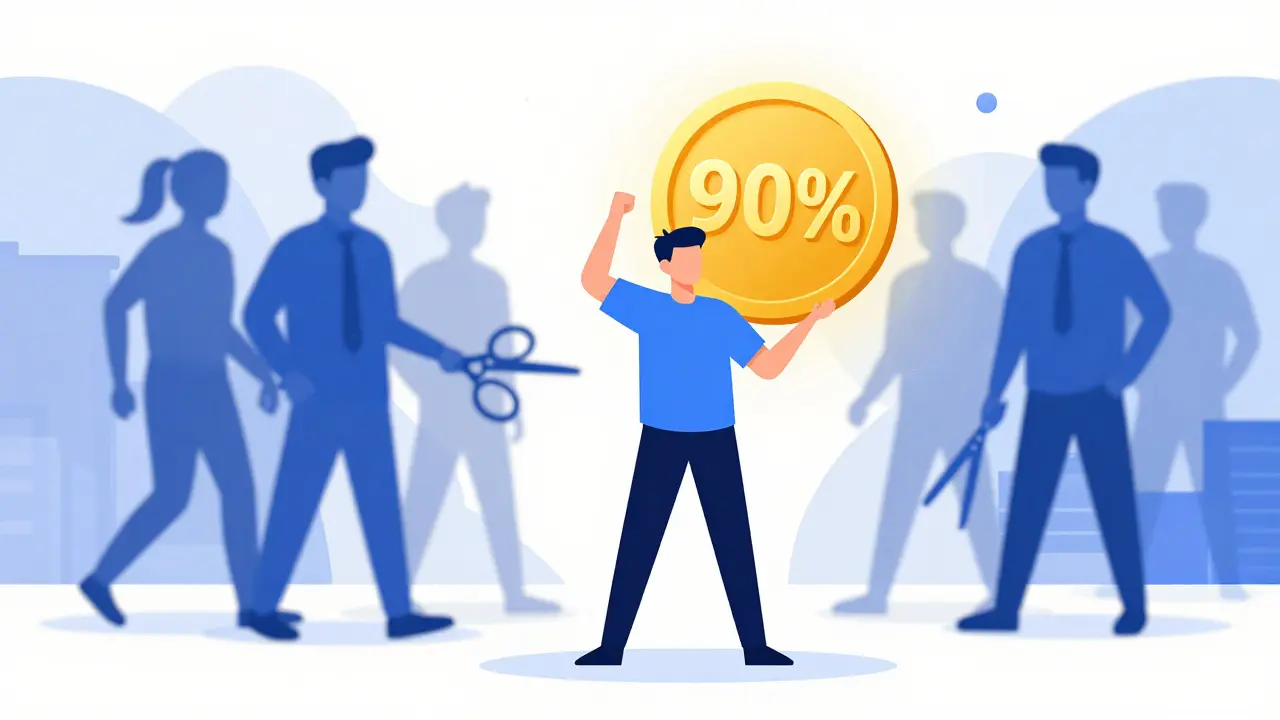
Imagine posting a video or writing an article and keeping 90% of the revenue instead of watching a platform take its standard cut. For years, digital creators have been at the mercy of algorithm changes, sudden demonetization, and opaque fee structures. But a shift is happening. Blockchain content monetization is a system that uses decentralized ledger technology to allow creators to earn directly from their audience without traditional intermediaries. This isn't just a buzzword; it’s a structural change in how value moves between fans and artists.
The market for this technology was valued at USD 499.52 million in 2024. By 2025, that number is projected to jump to USD 659.32 million. If current trends hold, we could see a market worth over USD 2.7 billion by 2030. Why such explosive growth? Because creators are tired of renting their audience. They want ownership. And blockchain provides the technical infrastructure to make that ownership real, transparent, and profitable.
Why Creators Are Leaving Traditional Platforms
Let’s be honest about the status quo. The global creator economy is massive-worth over $250 billion. Yet, most of that money flows through platforms like YouTube, Instagram, or Patreon. These platforms provide discoverability, which is valuable. But they also impose significant risks.
When you rely on a centralized platform, your income is fragile. An algorithm update can halve your reach overnight. A policy change can strip your ad revenue. You don’t truly own your community; you’re leasing access to it. Blockchain solves this by moving the relationship off-platform. Instead of trusting a corporation to pay you fairly, you trust code. Specifically, you trust smart contracts are self-executing contracts with the terms of the agreement directly written into code. These contracts enforce rules automatically. If a fan buys your content, the payment goes to you instantly. No middleman takes a hidden cut. No manual invoicing. Just pure, transparent transaction logic.
Core Models: How Money Moves in Web3
There isn’t just one way to make money on the blockchain. Different models serve different types of creators. Understanding these distinctions is crucial before you pick a strategy.
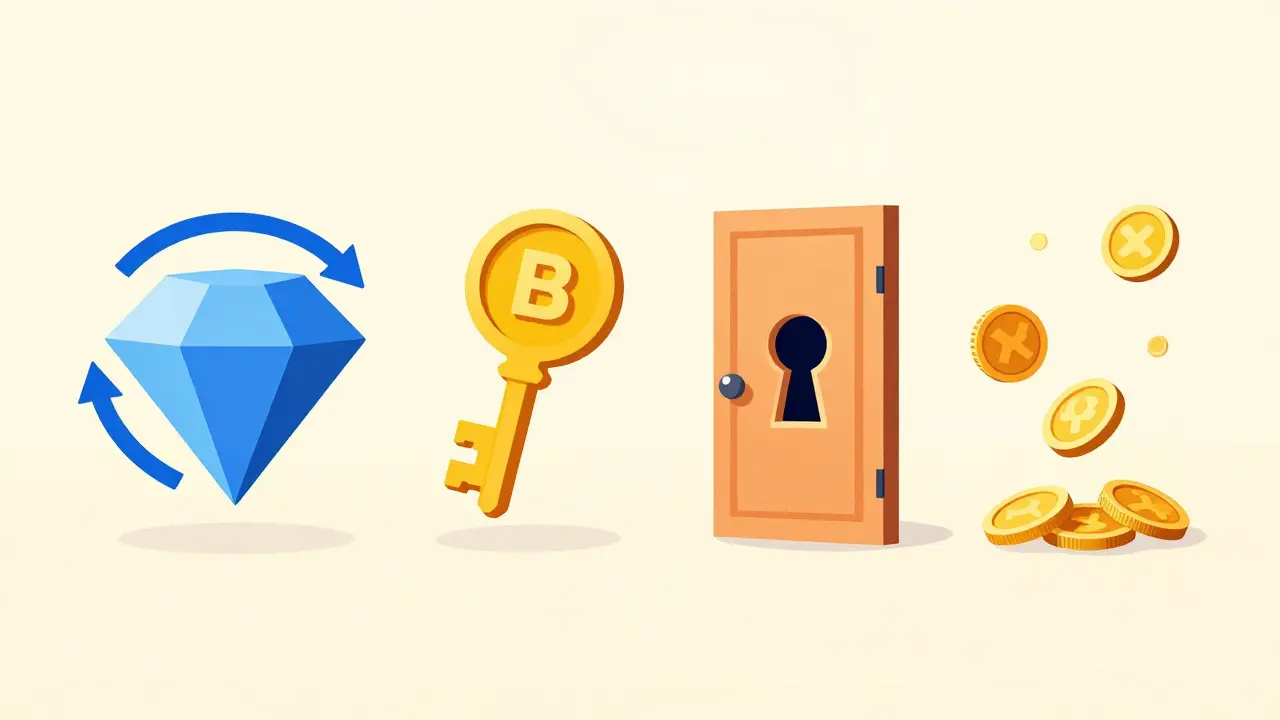
- NFT Royalties: You mint a unique digital asset-an image, a piece of music, or even a virtual item. When someone buys it, you get paid. But here’s the kicker: every time that item is resold on the secondary market, you automatically receive a percentage (often 5-10%). This creates passive income from appreciation, something impossible with a standard JPEG download.
- Social Tokens: Platforms like Friend.tech allow fans to buy "keys" or tokens representing a stake in your social presence. If your community grows, the token price rises. Fans profit if they believe in you, and you earn fees on every trade. Top creators on Friend.tech have reported earning between $1 million and $2 million monthly from these transaction fees alone since August 2023.
- Gated Access: Instead of a monthly subscription fee processed by Stripe, you require an NFT to enter your Discord server or read your newsletter. TIME Magazine used this model for premium content and saw a 30% boost in engagement and a 22% quarter-over-quarter increase in digital revenue.
- Micropayments: Blockchain allows for tiny transactions that credit card processors would kill due to high fees. You can charge fractions of a cent per view or per click. In cross-border transactions, this can reduce costs by up to 70% compared to traditional banking rails.
The Tech Stack: Making It Work Without Breaking the Bank
Early blockchain experiences were painful. High gas fees (transaction costs) and slow speeds drove users away. That has changed dramatically with the rise of Layer 2 solutions. Networks like Base Chain is a Layer 2 scaling solution built on Ethereum that offers lower fees and faster transactions and Polygon have driven transaction costs below $0.01.
This cost reduction is vital. Previously, selling a $5 digital item might cost $10 in fees, making it unviable. Now, creators can retain up to 90% of their earnings. Platforms like Zora have simplified this further by offering user-friendly interfaces for minting NFTs and enforcing those smart contract royalties protocol-level. You don’t need to be a coder to set up a royalty structure anymore. You just need to understand the basics of wallet management.
| Feature | Traditional Platform (Web2) | Blockchain Model (Web3) |
|---|---|---|
| Revenue Share | Platform takes 30-50% | Creator keeps up to 90%+ |
| Secondary Sales | None (creator earns once) | Automatic royalties on resales |
| Cross-Border Fees | High (3-5% + fixed fees) | Low (often <$0.01 via Layer 2) |
| Ownership | Licensed access (revocable) | Owned asset (non-revocable) |
| Onboarding Friction | Low (email/password) | High (wallet setup, seed phrases) |
The Hybrid Approach: Bridging Web2 and Web3
Here’s the hard truth: asking every fan to download a crypto wallet and manage private keys is a barrier. Data shows a 70% user abandonment rate during wallet setup processes. Most people just want to consume content, not become cryptography experts.
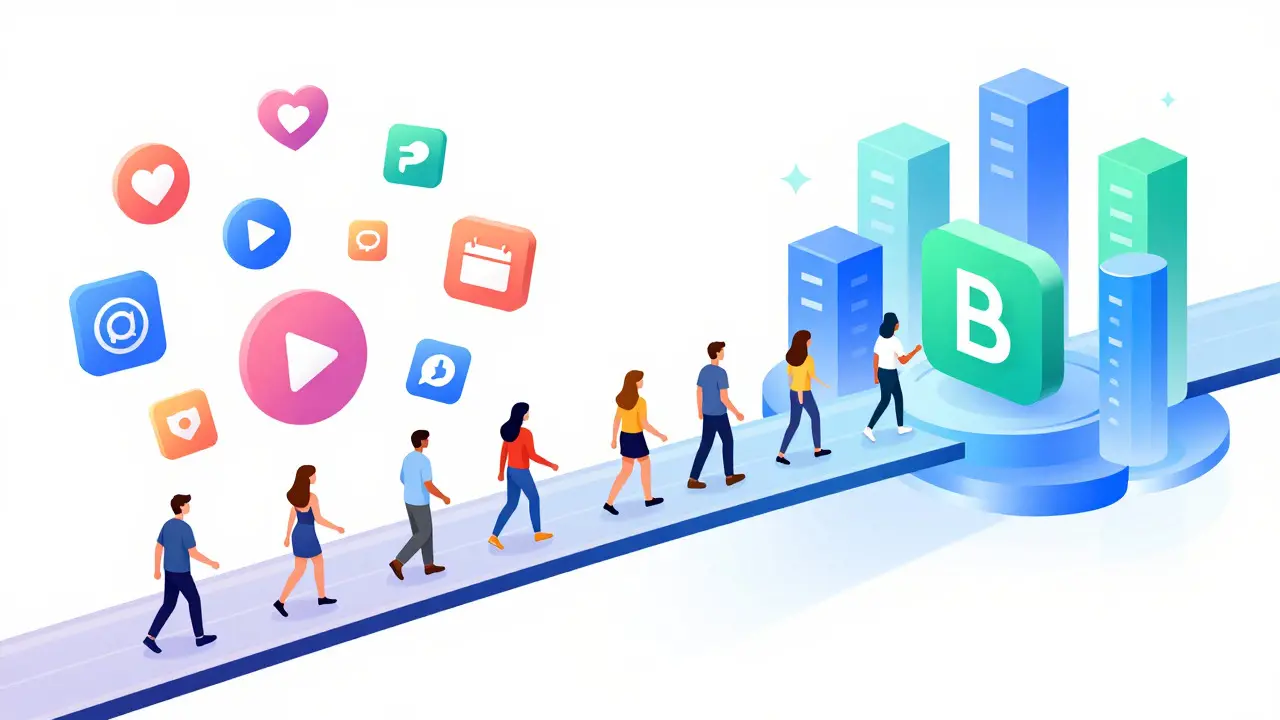
This is why hybrid models are winning. Research published in February 2025 introduced concepts like TOKN, a strategy that lets creators tokenize their work while still distributing it on familiar platforms like TikTok, YouTube, and Instagram. The user experience feels like Web2-smooth, easy, recognizable-but the backend financial incentives are Web3. You get the security and direct payments of blockchain without forcing your audience to learn a new interface. This approach addresses the critical gap between usability and financial innovation.
Overcoming Adoption Hurdles
If you’re planning to implement blockchain monetization, start small. Don’t launch with a complex DAO (Decentralized Autonomous Organization) or a play-to-earn game unless that’s your core niche. Start with what your audience already trusts.
A successful strategy often begins with free "loyalty pass" NFTs. Give them away to your top supporters. This introduces them to the concept of owning a digital asset without financial risk. Once they understand the value-maybe that NFT grants access to a private chat room or early ticket sales-they’ll be more willing to engage with paid tiers later. Community support is key here. Active Discord servers and Twitter Spaces help troubleshoot the inevitable confusion around gas fees and wallet connections. Transparency builds trust.
Look at the Asia-Pacific region. With 160 million blockchain users adopting tokenized payment systems and 70% of e-commerce spending occurring through digital wallets, the cultural shift toward digital ownership is already underway. The U.S. is following suit, with 28% of consumers now using in-store digital wallets, a 47% increase since 2019. The infrastructure is ready. The question is whether you’re ready to use it.
Future Outlook: What’s Next?
The future of content monetization isn’t about choosing between Web2 and Web3. It’s about integration. We will likely see interoperable assets that function across multiple platforms. Imagine buying an avatar skin on one platform and using it in a game on another. Or holding a single NFT that grants you discounts across a whole ecosystem of brands.
Regulatory frameworks are evolving to balance innovation with consumer protection. As clarity improves, institutional adoption will follow. For individual creators, the message is clear: diversify your revenue streams. Don’t put all your eggs in one basket. Use traditional platforms for discovery, but use blockchain for retention and deep monetization. Build a direct line to your biggest fans. Own your data. Own your revenue. That’s the promise of this new era.
What is the biggest advantage of blockchain monetization for creators?
The primary advantage is direct ownership and higher revenue retention. Unlike traditional platforms that take 30-50% cuts and control your access to fans, blockchain models allow creators to keep up to 90% of earnings. Additionally, smart contracts enable automatic royalties on secondary sales, creating passive income streams that don't exist in Web2 models.
Do I need to know coding to use blockchain monetization?
No, you do not need to be a coder. Platforms like Zora and Base Chain offer user-friendly interfaces that handle the technical complexity of minting NFTs and setting up smart contracts. You mainly need to understand basic wallet management and how to interact with these platforms.
How do I overcome the high abandonment rate during wallet setup?
Start with low-friction entry points. Offer free "loyalty pass" NFTs to introduce fans to digital ownership without financial risk. Use hybrid models that integrate blockchain payments into familiar Web2 interfaces (like TikTok or Instagram) so users don't feel forced to learn a completely new system immediately.
Are transaction fees still high in 2026?
Transaction fees have dropped significantly due to Layer 2 solutions like Polygon and Base Chain. Costs are often below $0.01 per transaction, making micropayments viable and allowing creators to retain much more of their revenue compared to the high gas fees of earlier blockchain eras.
What is a social token and how does it generate revenue?
A social token is a digital asset that represents a fan's investment in a creator's brand or community. Fans buy these tokens on platforms like Friend.tech. Creators earn revenue through transaction fees every time these tokens are traded. If the creator's popularity grows, the token value may rise, incentivizing fans to hold and trade actively.
Is blockchain monetization suitable for all types of content?
It works best for creators with engaged, loyal communities who value exclusivity and ownership. While gaming and digital art have seen early success, hybrid models are expanding its applicability to journalism, education, and entertainment. However, it requires a proactive approach to community building and education.