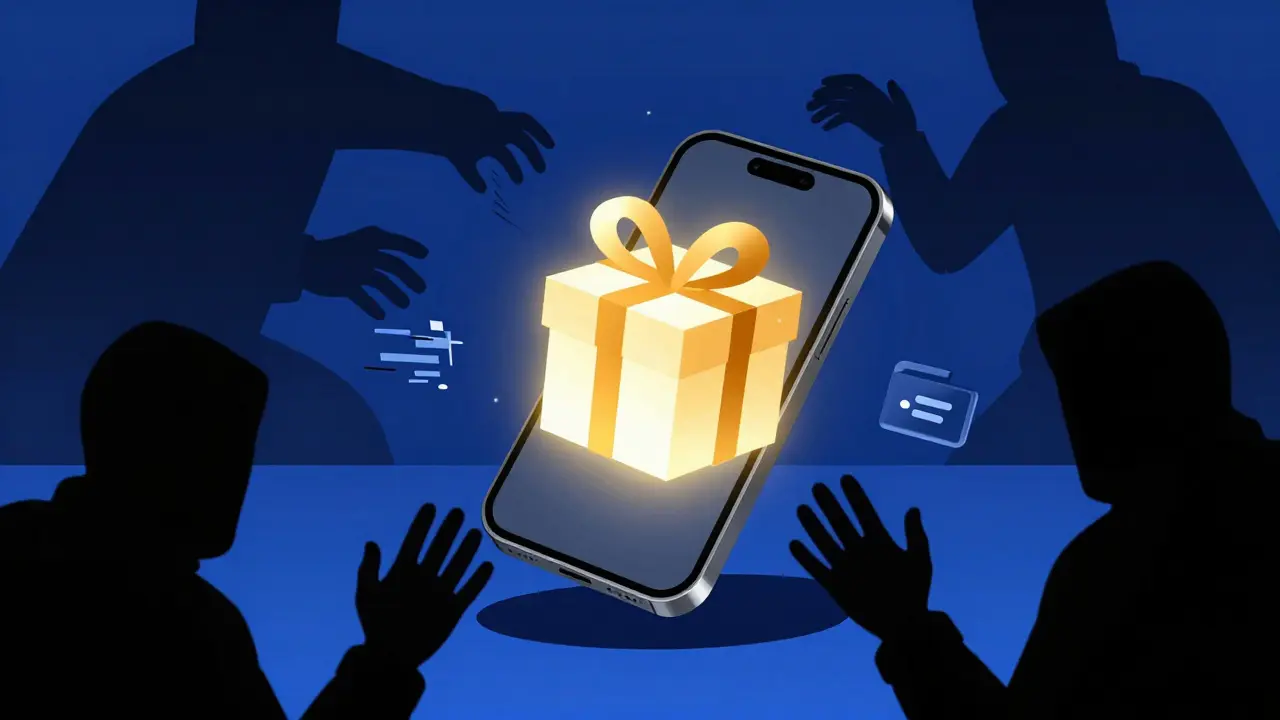
You’ve probably seen the posts popping up on social media. They promise free AXL INU tokens if you connect your wallet for a "New Year's Eve airdrop." It sounds too good to be true, doesn’t it? You click the link, hoping for a quick windfall, but instead of free money, you might be handing over the keys to your digital life. Here is the hard truth: there is no legitimate AXL INU New Year’s Eve airdrop. What you are looking at is almost certainly a phishing scam designed to drain your wallet.
It is May 2026 now, and the dust has settled on that specific holiday-season wave of scams. But understanding what happened-and why it works-is crucial for protecting your assets today. This isn't just about one bad token; it is about recognizing the patterns scammers use across the entire cryptocurrency space. Let’s break down exactly what AXL INU is, why that airdrop was fake, and how you can spot these traps before they cost you real money.
What Is AXL INU? The Reality Behind the Token
To understand the scam, we first need to look at the asset itself. Axl Inu (AXL INU) is a low-cap meme coin with virtually no utility. When you check data aggregators like CoinMarketCap or CoinGecko, the numbers tell a grim story. As of late 2025, the token had a market capitalization of less than $1,000 and, more alarmingly, zero trading volume.
Zero volume means no one is buying or selling it legitimately. It sits at rank #6907 on major trackers, far below the thousands of active projects. The token has a total supply of 70.35 billion coins, but only about 8.85 billion are in circulation. Its all-time high was back in May 2023 at $0.55, which seems decent until you realize it has crashed by nearly 100% since then. Currently, it trades for fractions of a penny-around $0.00000007. There is no development team, no whitepaper, and no roadmap. It is essentially a ghost ship floating in the crypto ocean, used primarily as bait for scammers.
| Metric | Value | Risk Level |
|---|---|---|
| Market Cap | $773 USD | Critical |
| 24h Volume | $0 USD | Critical |
| Price | $0.00000007 | Negligible Value | r>
| Holders | 98,650 | Suspicious (Wallet Stuffing) |
| Legitimate DEX Liquidity | <$100 | Non-existent |
The high number of holders (nearly 100,000) looks impressive at first glance. However, blockchain analysts from the Blockchain Transparency Institute identified this as "wallet stuffing." Scammers send small amounts of AXL INU to tens of thousands of random wallets. Why? So when those users open their portfolio apps, they see the token. Then, they search for it online, find the fake airdrop sites, and fall into the trap. It is a psychological hack, not a sign of community growth.
The Confusion: AXL INU vs. Axelar Network
A major reason people fall for these scams is confusion between two different projects that share the ticker symbol "AXL." This is a deliberate tactic by fraudsters.
Axelar Network (a legitimate cross-chain communication protocol) is a serious infrastructure project founded by Illia Polosukhin, Eugene Pustovoit, and Kevin Sekniqi. It facilitates secure data transfer between blockchains. Axelar was listed on Binance in March 2024 and has real utility, partnerships, and a transparent tokenomics schedule. For example, in June 2025, Axelar had scheduled token unlocks worth $4.09 million, which was widely reported by credible news outlets like 99Bitcoins.
Axl Inu, on the other hand, is an unrelated meme coin with no connection to Axelar Network. Scammers rely on users mixing up the two. If you see an announcement for an "AXL airdrop," you must verify if it refers to Axelar (legitimate, but rarely does direct retail airdrops without strict criteria) or Axl Inu (almost always a scam). Never assume they are the same thing. Always check the contract address. Axelar’s contract is well-documented on Etherscan and official docs; Axl Inu’s is often associated with malicious activity.
How the "New Year's Eve" Phishing Scheme Worked
Let’s dissect the mechanics of the fake AXL INU New Year’s Eve airdrop. This wasn’t a unique event; it was part of a broader pattern of holiday-themed crypto fraud. According to CipherTrace’s 2024 Holiday Fraud Report, scam activity spikes by nearly 35% during the end-of-year period. Scammers know people are distracted, excited about the new year, and potentially more willing to take risks.
Here is the typical flow of the attack:
- The Bait: You receive unsolicited AXL INU tokens in your wallet. Or, you see a post on Telegram, Twitter, or Reddit claiming a "free claim" for NYE.
- The Lure: You click a link like
axl-inu-airdrop.liveoraxl-nye-airdrop.xyz. These domains were registered in October 2025 via Russian hosting providers, just weeks before the supposed event. - The Connection: The site asks you to connect your wallet (MetaMask, Trust Wallet, etc.) to "claim" your rewards. This step alone is safe, but it builds trust.
- The Trap: Once connected, the site prompts you to approve a transaction. It might say "Claim Tokens" or "Verify Identity." In reality, this is a malicious approval request. It grants the scammer’s smart contract unlimited access to your other assets (ETH, USDT, NFTs).
- The Drain: Within seconds or minutes, the scammer executes a second transaction, draining your wallet. Chainalysis forensics showed that by October 13, 2025, at least 127 wallets had been drained for over $3,800 in stolen funds linked to this specific campaign.
CertiK, a leading blockchain security firm, analyzed these sites in October 2025 and found 100% code similarity to previous successful phishing operations. They are not building new tech; they are copy-pasting proven theft scripts.
Red Flags: How to Spot Fake Airdrops Immediately
You don’t need to be a blockchain expert to avoid these scams. You just need to watch for specific red flags. If you encounter any of the following, close the tab immediately.
- Unsolicited Tokens: If you wake up to find tokens in your wallet that you didn’t buy, do not interact with them. Do not try to sell them. Just ignore them. Sending them back often triggers a fee or another scam.
- Urgency and Holidays: Legitimate projects rarely tie major distribution events to holidays like New Year’s Eve. They use structured, verifiable timelines. Urgency is a pressure tactic.
- New Domains: Check the URL age. Tools like Whois lookup can show if a domain was created last week. Official project sites are usually years old.
- Requests for Private Keys or Seed Phrases: No legitimate service will ever ask for your 12-24 word seed phrase. If a site asks for this, it is 100% a scam.
- Unlimited Allowances: When approving transactions, check the amount. If it says "Unlimited" or a huge number of tokens for a simple claim, stop. Use tools like Revoke.cash to check your active approvals regularly.
- Low Market Cap + High Hype: As seen with AXL INU, if a token has zero volume but massive social media hype, it is a pump-and-dump or a honeypot.
Regulatory Scrutiny and Exchange Actions
The situation around tokens like AXL INU is getting tighter. Regulators are paying attention. On October 8, 2025, the U.S. Securities and Exchange Commission (SEC) issued Release No. 2025-187, specifically warning against "tokens with zero verifiable trading activity promoting fictional airdrop events." This signals that legal consequences for creators of such scams are becoming more likely.
Exchanges are also cleaning house. CoinDesk reported in October 2025 that Binance added AXL INU to its "high-risk monitoring list." The exchange stated that if daily trading volume did not exceed $1,000 by November 15, 2025, the token would be delisted. Given its $0 volume, this was effectively a death sentence for the token’s legitimacy. Being listed on minor exchanges like XT.com or LBank offers no protection; these platforms often have weaker listing standards.
Protecting Your Crypto in 2026
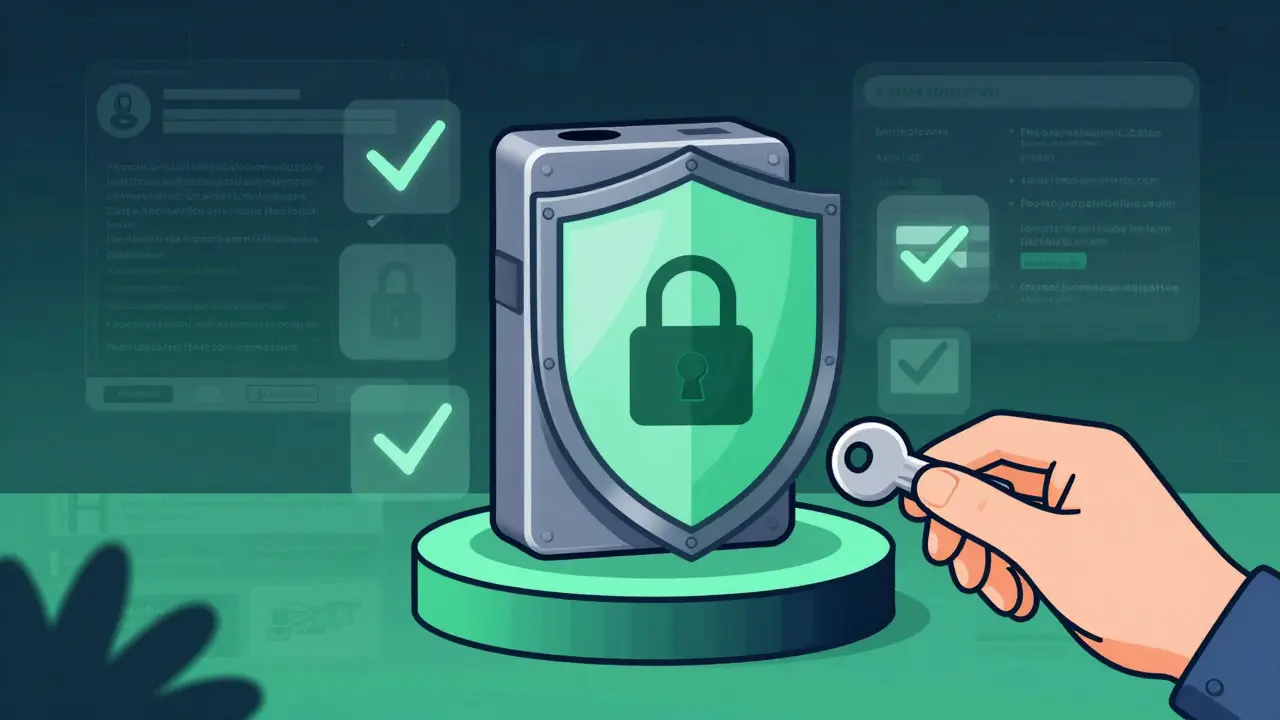
So, how do you stay safe moving forward? The landscape of crypto scams evolves, but the core principles remain the same.
Use a Burner Wallet. Keep your main holdings in a cold wallet (like Ledger or Trezor) that never connects to the internet. Use a separate, empty hot wallet for interacting with new dApps, claiming potential airdrops, or testing new protocols. If that burner wallet gets compromised, your main savings are untouched.
Verify Sources Independently. Never click links from DMs, Telegram groups, or even tweets unless you have verified the source through multiple channels. Go directly to the project’s official website via a bookmark. Check their Discord and GitHub for recent, genuine activity. If the GitHub hasn’t been updated in months, be skeptical.
Revoke Permissions Regularly. Visit revoke.cash or similar services monthly. Connect your wallet and review which contracts have access to your tokens. Revoke any that you don’t recognize or no longer use. This cuts off the ability for scammers to drain your funds even if they phish your approval once.
Educate Yourself on Smart Contracts. Understand what you are signing. MetaMask and other wallets now provide better warnings for suspicious transactions. Read them. If a transaction asks you to send ETH to a contract that promises tokens in return, it is likely a honeypot where you can send but never withdraw.
Conclusion: Stay Skeptical, Stay Safe
The AXL INU New Year’s Eve airdrop was a textbook example of a crypto phishing scam. It exploited curiosity, confusion with legitimate projects like Axelar, and the excitement of the holiday season. By understanding the mechanics-wallet stuffing, fake domains, malicious approvals-you can protect yourself from similar schemes targeting other tokens.
Remember: if it sounds too good to be true, it is. Free tokens from unknown sources are never free. They are bait. Prioritize security over greed, verify every link, and keep your private keys private. The crypto space offers incredible opportunities, but only if you navigate it with caution and knowledge.
Is the AXL INU New Year's Eve airdrop real?
No, it is not real. It was a phishing scam designed to steal funds from users who connected their wallets to fraudulent websites. There is no legitimate airdrop associated with the AXL INU token.
What is the difference between AXL INU and Axelar Network?
They are completely different projects. Axelar Network is a legitimate cross-chain protocol with real utility and a strong development team. AXL INU is a low-value meme coin with no utility, often used in scams. Do not confuse the two based on the shared "AXL" ticker.
Why did I receive AXL INU tokens in my wallet?
This is a tactic called "wallet stuffing." Scammers send small amounts of tokens to many wallets to get your attention. When you search for the token to find out what it is, you are likely to find fake airdrop sites. Ignore the tokens and do not interact with them.
How can I check if an airdrop is legitimate?
Verify the source through official project channels (website, verified social media). Check the domain age, look for community discussion on reputable forums, and ensure the project has a history of transparency. Never click links from unsolicited messages.
What should I do if I already connected my wallet to a fake airdrop site?
Immediately move all remaining funds to a new, secure wallet. Then, visit revoke.cash to disconnect and revoke any permissions granted to the malicious contract. Monitor your transactions for any unauthorized activity.