
You are probably seeing chatter about the Around Network and its ART Campaign airdrop. Maybe you saw a tweet, a Discord ping, or a Telegram alert. But when you go looking for hard facts-like "How many tokens?" or "What do I actually need to do?"-the internet goes quiet. That silence is frustrating. It makes you wonder if it's real, if it's worth your time, or if it's just another vaporware promise.
Here is the reality check: As of late September 2026, specific technical documentation for the Around Network ART Campaign is still emerging. Unlike established giants like Hyperliquid or Ethena, which have massive public ledgers and clear whitepapers, new networks often operate in stealth or early-access modes. This article breaks down what we know based on current market patterns, how similar Layer-1 and infrastructure projects structure their drops, and exactly how you should position yourself to capture value if the ART token launches.
The State of Crypto Airdrops in 2026
To understand where Around Network fits, look at the bigger picture. The airdrop landscape has shifted dramatically since the boom years. In 2024 alone, notable airdrops added over $20 billion to the overall crypto market cap. Projects like PENGU and MagicEden proved that community engagement pays off. But today, in 2026, users are smarter. They don't just click buttons; they demand utility.
Most successful campaigns now reward genuine usage rather than simple sign-ups. If Around Network follows the trend set by Monad, Abstract, or even AI-agent platforms like Virtuals, your eligibility will depend on on-chain activity. Did you bridge assets? Did you interact with smart contracts? Did you hold specific NFTs? These are the metrics that matter. The days of free money for joining a Twitter group are mostly over. Now, you earn your spot through proof-of-work on the blockchain.
Decoding the "ART" Token Concept
What does "ART" stand for? In most Web3 contexts, this acronym points toward one of two things: Artificial Intelligence related tech or Art/Creative economy integration. Given the rise of AI agents in 2025 and 2026, it is highly probable that Around Network is leveraging AI-driven data verification or content curation. Think of projects like Kaito or Nillion, which use decentralized intelligence to reward users who contribute data or compute power.
If ART represents an AI-infrastructure token, the campaign likely rewards nodes or users who help validate data streams. Alternatively, if it focuses on digital art, it might reward collectors or creators who engage with the network's native NFT standards. Without the official whitepaper released, we must rely on comparative analysis. Look at Reddio, a high-performance Layer 2 solution. Their strategy involved bridging assets and engaging in platform interactions. Around Network likely mirrors this model: participation equals points, points equal tokens.
How to Prepare for the Drop
You cannot control the launch date, but you can control your readiness. Most airdrop hunters fail because they wait until the announcement to start acting. By then, the snapshot might already be taken, or the competition is too fierce. Here is your action plan.
- Create a Dedicated Wallet: Never use your main holdings wallet for testing new networks. Use a fresh MetaMask or Rabby wallet. This keeps your transaction history clean and prevents accidental losses from bad smart contract interactions.
- Monitor Official Channels Only: Scams thrive on hype. Follow only the verified X (Twitter) handle and the official Discord server of Around Network. Ignore DMs offering "early access." Those are almost always phishing attempts.
- Simulate On-Chain Activity: Even if the mainnet isn't live, testnets usually are. Bridge small amounts of ETH or USDC to any testnet version of Around Network. Swap tokens, mint a test NFT, or provide liquidity. These actions create a fingerprint that algorithms love.
Comparing Around Network to Other 2026 Contenders
It helps to see how Around Network stacks up against other major projects currently running campaigns. This comparison highlights what features typically drive airdrop value.
| Project Name | Primary Focus | Key Eligibility Criteria | Estimated Community Size |
|---|---|---|---|
| Around Network | AI/Data Infrastructure | Testnet interaction, Node operation | Emerging (Early Stage) |
| Monad | Layer 1 Blockchain | High-frequency trading, DeFi usage | Large (Pre-TGE Hype) |
| Virtuals | AI Agents | Agent creation, Gaming engagement | Niche but High Value |
| Reddio | Layer 2 Scaling | Bridging assets, GPU acceleration tasks | Moderate |
Notice the pattern? The more complex the task, the higher the potential reward. Simple sign-ups yield pennies. Complex interactions yield dollars. Around Network seems to sit in the middle, requiring some technical engagement but not necessarily heavy node hardware yet.
Pitfalls to Avoid
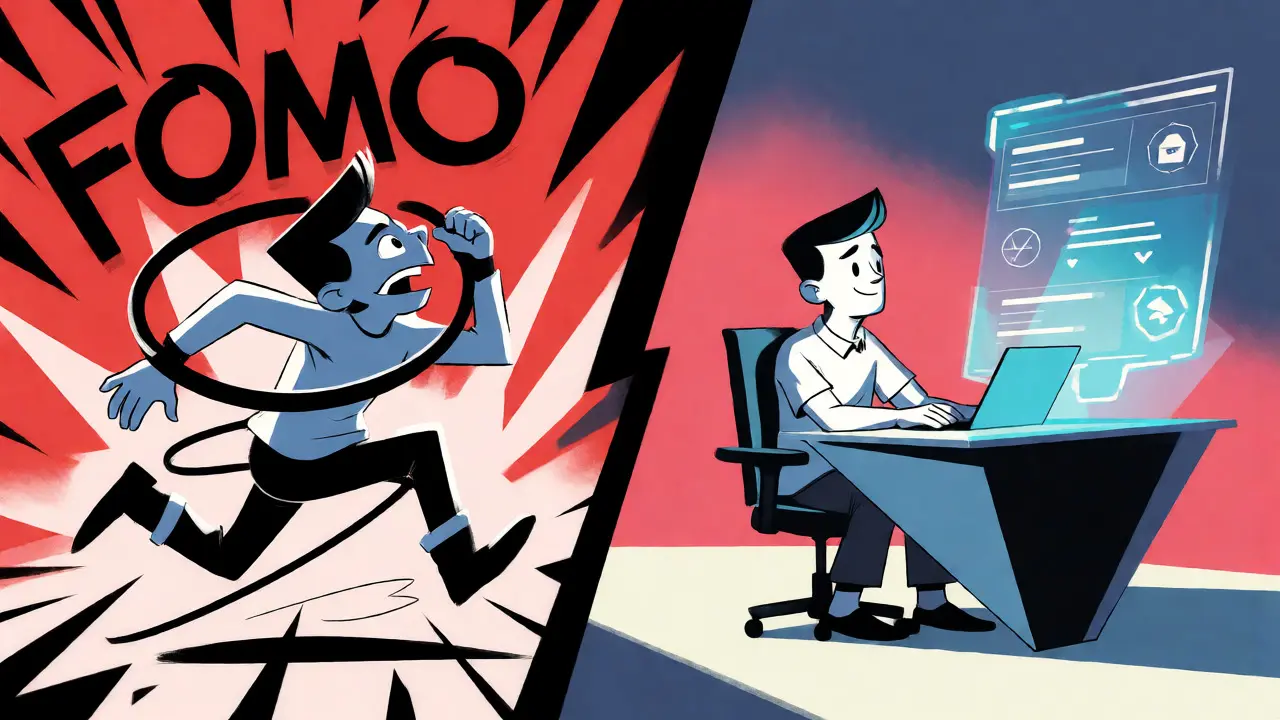
FOMO (Fear Of Missing Out) causes people to make expensive mistakes. First, never pay a fee to "claim" an airdrop before the official TGE (Token Generation Event). Legitimate projects deduct gas fees from the claim itself or require you to pay standard network gas. If someone asks for a separate "processing fee," run away.
Second, beware of fake websites. When the ART Campaign details drop, scammers will register domains like "around-network-airdrop.com" within minutes. Always navigate via links from the official social media profiles. Third, don't overspend on gas. If the network is congested, waiting a few hours can save you significant money. Airdrop hunting is a marathon, not a sprint.
What Happens After the Snapshot?
Once the eligibility criteria are finalized, there is usually a delay between the snapshot and the actual token distribution. During this time, the project team verifies wallets. They filter out sybil attackers-people who created hundreds of fake wallets to farm tokens. Tools like Gitcoin Passport or Worldcoin are increasingly used to prove you are a human.
If you participated genuinely, you will receive a notification via email or Discord. Then comes the vesting schedule. Rarely do you get 100% of your tokens immediately. Expect a cliff (a period where you get nothing) followed by linear unlocking. For example, you might get 20% at launch, then 10% each month for eight months. Plan your finances accordingly. Don't assume you can dump the entire amount on day one.
Final Thoughts on Around Network
The ART Campaign by Around Network represents a classic opportunity in the current cycle: low information, high potential. Because details are scarce, the barrier to entry is psychological. Many people won't bother. If you stay consistent with testnet tasks and keep an eye on official announcements, you position yourself ahead of the crowd. Keep your wallet active, ignore the noise, and wait for the green light.
Is the Around Network ART airdrop confirmed?
While rumors circulate widely in crypto communities, confirmation depends on official statements from the Around Network team. As of September 2026, you should monitor their verified social channels for an official press release regarding the ART token generation event.
What tasks qualify me for the ART airdrop?
Typically, qualification involves interacting with the network's testnet, bridging assets, performing swaps, or operating nodes. Specific criteria are defined in the project's eligibility guide, which is usually released shortly before the snapshot.
How much is the ART token worth?
The price is unknown until the token lists on exchanges. Value depends on total supply, circulating supply, and market sentiment at launch. Comparisons to similar AI or L1 projects suggest moderate initial valuations, but volatility is guaranteed.
Can I buy ART tokens before the airdrop?
Usually, no. Pre-market trading exists on some platforms like Whales Market or Aevo, but these are speculative and carry high risk. The primary way to acquire tokens is through the airdrop or after the public listing.
What is a Sybil attack in airdrops?
A Sybil attack occurs when one user creates multiple wallets to farm more rewards. Projects use heuristics like unique IP addresses, funding sources, and behavioral patterns to identify and exclude these duplicate wallets from the final distribution.