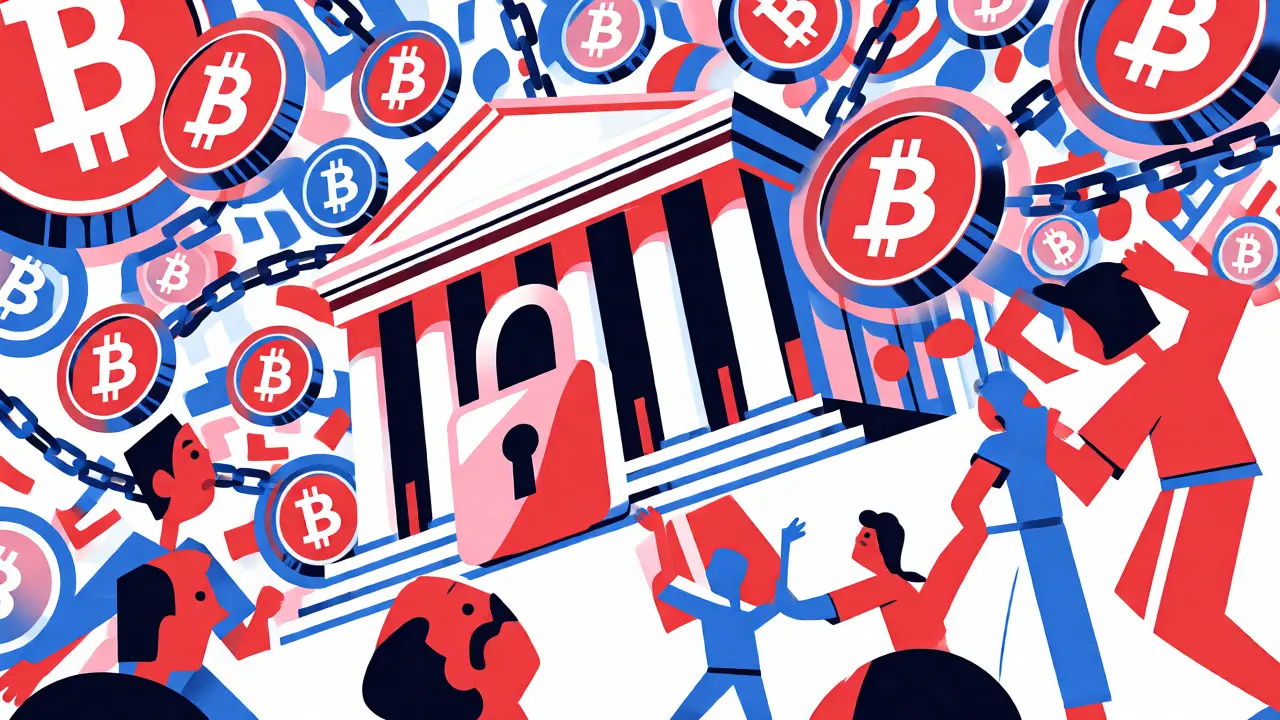
Imagine waking up to find your hard-earned savings locked away because a platform you trusted didn't have the right paperwork. That’s the reality for thousands of Filipino investors after the Securities and Exchange Commission (SEC) froze approximately $150 million in cryptocurrency assets linked to unlicensed exchanges in early 2025. This wasn't just a minor administrative hiccup; it was a massive enforcement action that blacklisted 20 platforms and sent shockwaves through one of the world's most enthusiastic crypto markets.
If you're wondering why this happened, how it affects your wallet, or what the future holds for digital assets in the Philippines, you're in the right place. We’re cutting through the legal jargon to explain exactly what went down, who is responsible, and what you can actually do about it. The Philippines has long been a hotspot for crypto adoption, ranking 8th globally in adoption metrics, but this move signals a hard pivot from "wild west" growth to strict regulatory oversight.
The Scale of the Freeze and Why It Happened
To understand the impact, you need to grasp the sheer size of the Philippine crypto ecosystem. By early 2025, digital asset investments in the country had hit ₱6 trillion (roughly $107 billion). In this context, the $150 million frozen represents about 0.14% of the total market value. While that percentage sounds small, the number of people affected is significant. The SEC targeted these funds because the exchanges holding them failed to comply with new regulations introduced in January 2025 under Memorandum Circulars No. 4-2025 and No. 5-2025.
These circulars redefined what counts as a "crypto-asset" and established strict rules for Crypto-Asset Service Providers (CASP). Simply put, if you were operating an exchange without a proper license, you were breaking the law. The SEC didn't just slap a fine on these companies; they froze their assets to prevent illicit funds from moving further into the system. Most of the frozen money-about 68%-was in stablecoins like USDT and USDC, with Bitcoin making up another 22%. This tells us that the crackdown wasn't just targeting speculative altcoin traders, but also those using crypto for everyday transactions and savings.
Who Was Affected and How?
The enforcement action primarily hit users of unlicensed exchanges that had been operating in a gray area. Platforms like Bitget and Bybit saw their access blocked by ISPs, leaving users unable to withdraw funds easily. For many, this came out of nowhere. A survey by the Association of Cryptocurrency Enthusiasts of the Philippines (ACEP) found that while 62% of users supported regulation, nearly 78% didn't even know the specific licensing requirements that triggered the freeze.
| Asset Category | Percentage of Frozen Funds | Primary Networks Involved |
|---|---|---|
| Stablecoins (USDT, USDC) | 68% | Ethereum, Tron, Binance Smart Chain |
| Bitcoin | 22% | Bitcoin Network |
| Altcoins | 10% | Various (Ethereum, BSC) |
The distribution across networks also matters. Ethereum accounted for 45% of the frozen value, followed by Binance Smart Chain at 30%, and Tron at 15%. This geographic and technological spread means the issue isn't isolated to one blockchain community but affects the broader infrastructure of crypto trading in the region.
The Recovery Process: A Maze for Users
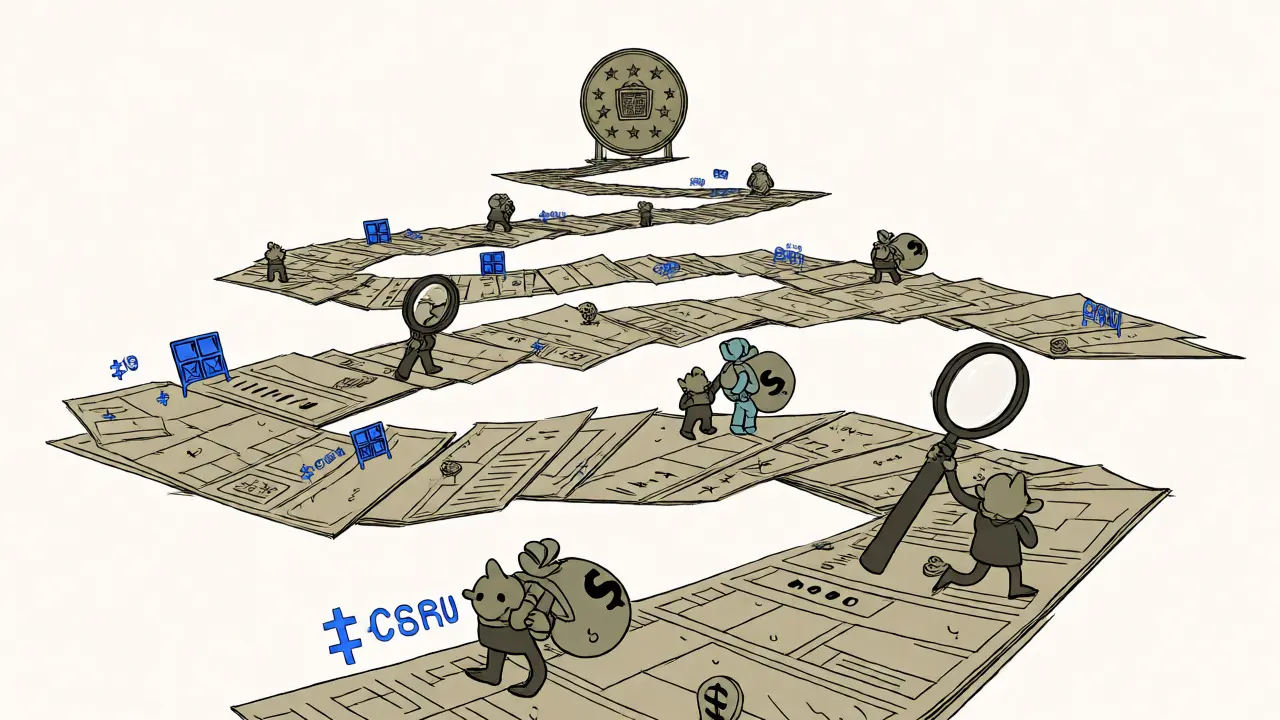
So, you’ve been caught in the freeze. Now what? The SEC set up a dedicated unit called the Crypto Asset Recovery Unit (CARU) to handle claims. But let’s be honest: the process hasn't been smooth. As of July 2025, only 12% of affected users had successfully completed the verification process. That’s roughly 3,840 people out of tens of thousands potentially affected.
Why so low? The barriers are real. To get your money back, you need to prove your identity, show your transaction history, and demonstrate that your funds weren’t involved in illegal activities. For younger, tech-savvy users, this might mean navigating a government portal and uploading blockchain transaction hashes. But for older demographics-who make up 28% of the affected users-this digital hurdle is daunting. Data shows that 34% of applications were rejected simply due to incomplete documentation, and another 22% were flagged for deeper investigation. The average processing time? About 47 days per application. If you’re relying on those funds for rent or bills, waiting over a month is a serious problem.
Regulatory Context: The End of the Moratorium Era
This crackdown didn't happen in a vacuum. It coincided with the end of a three-year moratorium on Virtual Asset Service Provider (VASP) licenses issued by the Bangko Sentral ng Pilipinas (BSP). The BSP had paused new licenses since September 2022, creating a backlog of platforms operating without clear status. With the moratorium lifting on September 1, 2025, regulators needed to clean house before opening the floodgates for new applicants.
The SEC’s aggressive stance is part of a global trend. Compare this to Singapore, where the Monetary Authority suspended Tokenize Xchange for failing to segregate customer funds. Or look at the UAE, which adopted a more permissive approach. The Philippines is trying to strike a balance: protecting consumers from scams while not stifling innovation. House Bill No. 4792, filed by Rep. Edgar Erice, proposes creating a National Council on Digital Assets to streamline this framework, suggesting that lawmakers recognize the need for a unified voice in crypto regulation.
What Experts Are Saying
Opinions on the freeze are split. Dr. Maria Santos from the University of the Philippines Diliman argues that while the SEC showed commitment, there’s a risk of collateral damage to innocent users who didn’t know better. On the other side, former BSP Deputy Governor Nestor Espenilla Jr. believes the action was necessary to stop the Philippines from becoming a haven for financial crime, especially given the $2.17 billion stolen from crypto services globally in the first half of 2025 alone.
Industry data backs up the urgency. Chainalysis reports suggest 2025 could exceed 2024’s estimated $51 billion in illicit crypto activity. By freezing these assets, the SEC aims to disrupt the flow of dirty money. However, critics point out that blocking entire platforms punishes legitimate users alongside bad actors. It’s a classic case of throwing the baby out with the bathwater, albeit with good intentions.
Future Outlook: Sandboxes and Partial Releases
Looking ahead, there is some light at the end of the tunnel. The SEC announced a "Regulatory Sandbox" program starting September 15, 2025, allowing ten pre-vetted platforms to operate under temporary licenses. This could provide a safer environment for users while full regulations are finalized. Additionally, the SEC indicated a potential partial release of verified legitimate funds starting November 1, 2025.
However, legal challenges from major exchanges like Bitget and Bybit could delay these releases. If you’re holding assets on a licensed platform like Coins.ph, you’re likely safe. But if you used an unlicensed service, keep your records handy. The shift toward stricter compliance is permanent, not temporary. The days of casual, unregulated crypto trading in the Philippines are fading fast.
How much money was frozen in the Philippines crypto crackdown?
Approximately $150 million worth of cryptocurrency assets were frozen by the Securities and Exchange Commission (SEC) in 2025. This amount represents about 0.14% of the total ₱6 trillion ($107 billion) Philippine crypto market at the time.
Which cryptocurrencies were mostly affected by the freeze?
The majority of the frozen funds, about 68%, consisted of stablecoins such as USDT and USDC. Bitcoin made up 22% of the frozen assets, while various altcoins accounted for the remaining 10%.
Can I get my frozen crypto back?
Yes, but it requires a formal verification process through the SEC's Crypto Asset Recovery Unit (CARU). You must submit proof of identity, transaction history, and evidence that funds were not derived from illicit activities. As of mid-2025, only 12% of applicants had successfully completed this process, with an average wait time of 47 days.
Why did the SEC freeze these assets?
The SEC targeted unlicensed cryptocurrency exchanges that failed to comply with new regulations issued in January 2025 (MC No. 4-2025 and MC No. 5-2025). These rules require Crypto-Asset Service Providers to register properly and adhere to investor protection standards. The freeze aimed to prevent illicit funds from circulating and to enforce compliance.
Is the Philippines banning cryptocurrency?
No, the Philippines is not banning cryptocurrency. Instead, it is tightening regulations. The government lifted its moratorium on VASP licenses in September 2025 and introduced a Regulatory Sandbox program to allow compliant platforms to operate. The goal is to create a safer, regulated market rather than eliminating crypto entirely.