RingLedger: Clear Crypto Insights, Exchanges, and Airdrops You Can Trust
When you're navigating cryptocurrency, digital assets that operate without central banks, using blockchain technology to record transactions. Also known as crypto, it's a space full of promises—but also scams, confusion, and hidden fees. Not every crypto exchange, a platform where you can buy, sell, or trade digital currencies is safe. Some pretend to be regulated. Others vanish overnight. And airdrops, free token distributions meant to reward users or launch new projects are often fake, designed to steal your wallet keys.
Crypto laws change fast. India taxes every trade. Vietnam now charges a tiny fee on every swap. The UAE became a legit hub after cleaning up its rules. Meanwhile, North Korea steals crypto to fund weapons, and people in Tunisia trade in secret to beat banking bans. You don’t need to be a tech expert to stay safe—you just need clear, real info.
Here, you’ll find no fluff. Just straight reviews of exchanges like Tokenlon and Merchant Moe, deep dives into dead coins like EDRCoin and Rivetz, and real warnings about fake airdrops like POTS and PYM. We cut through the hype so you know what’s worth your time—and what’s a trap.

What is PRivaCY Coin (PRCY)? Privacy, Risks, and Reality of a Near-Dead Crypto
PRivaCY Coin (PRCY) promised total privacy but is now a nearly dead cryptocurrency with zero development, a collapsed price, and no real users. Here's what you need to know before considering it.
What is SugarBlock (SUGARB) crypto coin? Price, use case, and risks explained
SugarBlock (SUGARB) is a crypto token built for decentralized video streaming, but it's crashed 99.99% from its peak. Learn its history, current price, risks, and why it's unlikely to recover.

Fraxswap (Polygon) Crypto Exchange Review: Best for Large Stablecoin Swaps?
Fraxswap on Polygon is a specialized decentralized exchange built for large stablecoin swaps with minimal slippage using TWAMM technology. It's ideal for experienced DeFi users trading FRAX, USDC, or DAI - but too complex for beginners.

SHILL Token Airdrop: What You Need to Know About the Project SEED Ecosystem and Token Rewards
SHILL Token has no public airdrop. Learn how it's actually earned through Project SEED's gaming ecosystem, why its price crashed, and how to avoid scams claiming free tokens.

XCV Airdrop by XCarnival: What We Know and How to Prepare
Learn what's known about the potential XCV airdrop from XCarnival, how to prepare, who might qualify, and how to avoid scams. Stay informed with real steps you can take today.
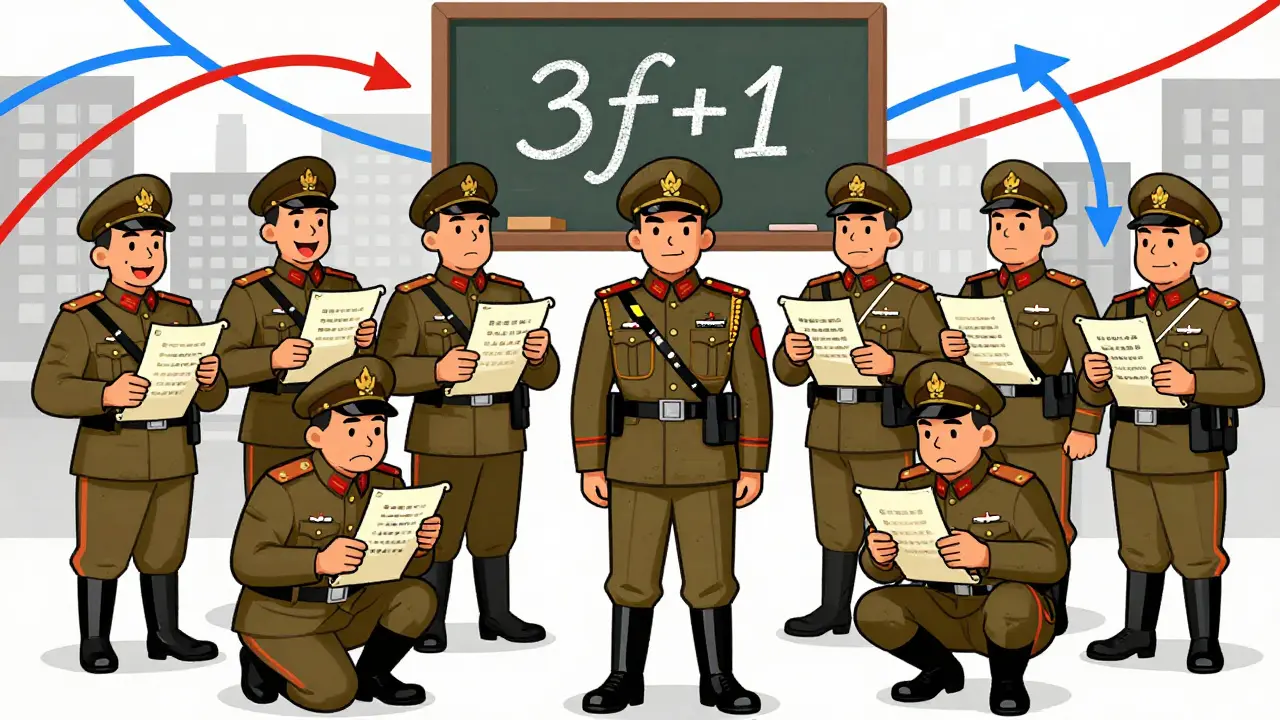
Understanding the Byzantine Generals Problem in Blockchain
The Byzantine Generals Problem explains how decentralized systems agree on truth without trust. It's the foundation of blockchain consensus, powering Bitcoin, Ethereum, and critical infrastructure worldwide.
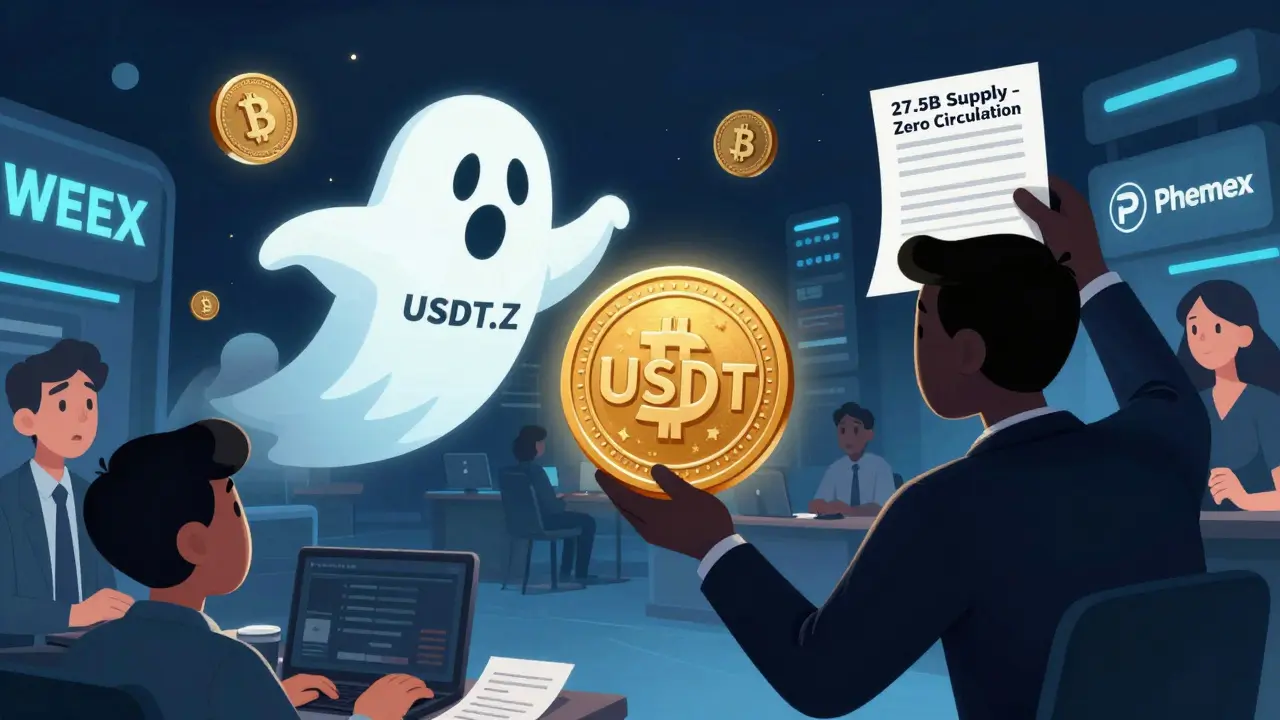
What Is Tether USD Bridged ZEB20 (USDT.Z)? A Clear Look at a Suspicious Crypto Token
Tether USD Bridged ZEB20 (USDT.Z) looks like a stablecoin but isn't official Tether. With zero circulating supply and no transparency, it's a high-risk imposter token. Avoid it.

Future of Blockchain in Energy Sector: How Decentralized Ledgers Are Reshaping Power Grids
Blockchain is transforming the energy sector by enabling peer-to-peer trading, carbon credit tokenization, and smart grid automation. By 2025, it's moving from theory to real-world use, making energy systems more transparent, efficient, and sustainable.

ByBit Hack: How North Korea Stole $1.5 Billion in Crypto
In February 2025, North Korea's TraderTraitor unit stole $1.5 billion from Bybit-the biggest crypto heist ever. This wasn't random hacking. It was a state-sponsored attack that exposed critical flaws in crypto security.

What is ATM (ATMcoin.top) crypto coin? The truth behind the scam
ATM (ATMcoin.top) is a zero-volume cryptocurrency with impossible claims like 'perpetual motion' and 'violent dividends.' It has no team, no audit, no trading activity, and is classified as a high-risk scam by blockchain experts.
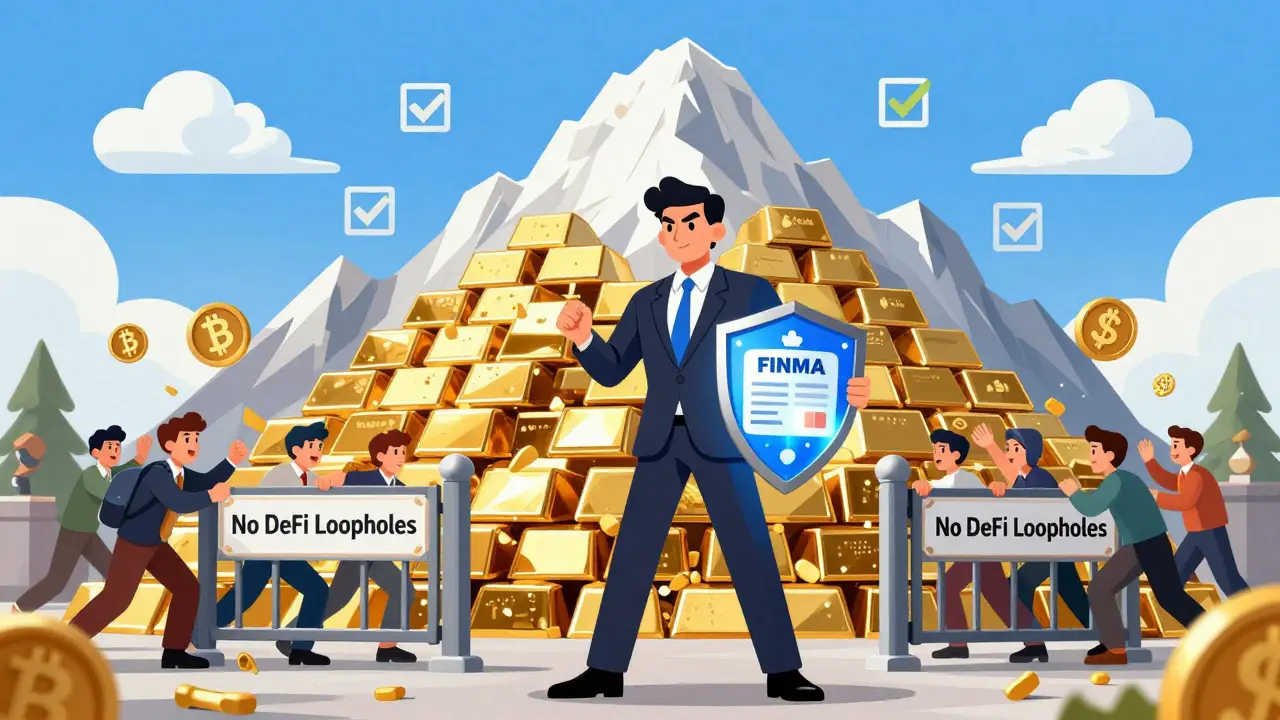
FINMA Crypto Licensing Requirements for Exchanges: What You Need to Know in 2026
Switzerland’s FINMA sets the global standard for crypto exchange licensing. Learn the 2026 requirements: capital, compliance, timelines, and why institutions trust Swiss-regulated platforms over others.
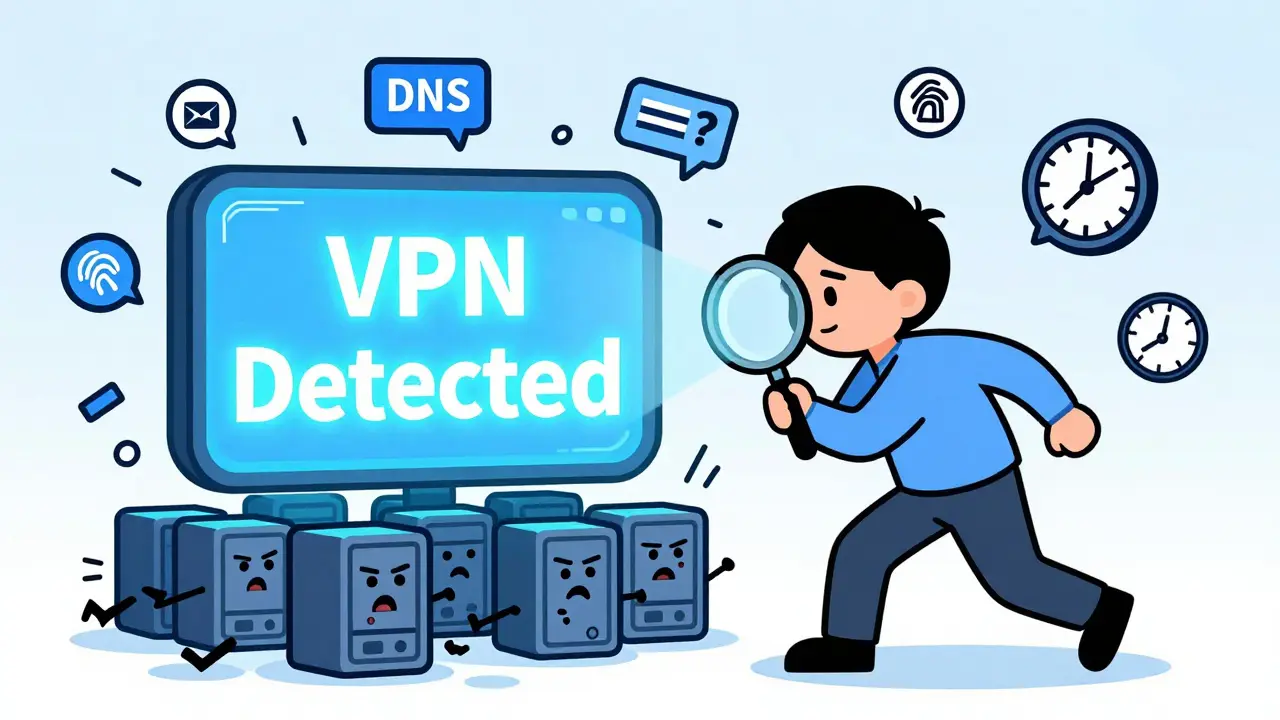
How Crypto Exchanges Detect Multi-Layered VPNs to Enforce Geoblocking
Crypto exchanges now use multi-layered systems to detect and block VPN users trying to bypass geoblocking. From IP blacklisting to behavioral analysis, here’s how they catch you-and what you can do about it.